


Only destinations that focus on accessibility ensure a stress-free and enjoyable travel experience for people with disabilities. Upon researching this, I found that some of the best vacations for disabled adults are in San Diego, Amsterdam, Seville, Berlin, and Kyoto. I also do not rule out updating this list in the future.
I believe that traveling is about experiencing something different in a new place, regardless of your physical condition. So, I hope you’ll find new, inclusive options here to plan your next ideal vacation.
Understanding barrier-free travel needs
Everyone has the right to a pleasant vacation. For this reason, it is necessary to identify the different needs of different people and provide them with appropriate assistance and facilities.
Types of handicaps and travel considerations
- People with mobility impairments should have easy access to various locations. Basic requirements are wheelchairs and mobility devices. Additionally, special aids and accessible transportation are also essential.
- For visually impaired individuals, audio descriptions and Braille signage are gold.
- Deaf and hard-of-hearing travelers need services such as sign language interpreters and visual alerts.
- Tourists with cognitive disabilities value easy-to-understand instructions and clear and consistent communication.
- Invisible disabilities such as autism, chronic pain, and epilepsy also shouldn’t be ignored. They need a quieter environment or additional support to have a pleasant vacation.
Key accessibility features to look for
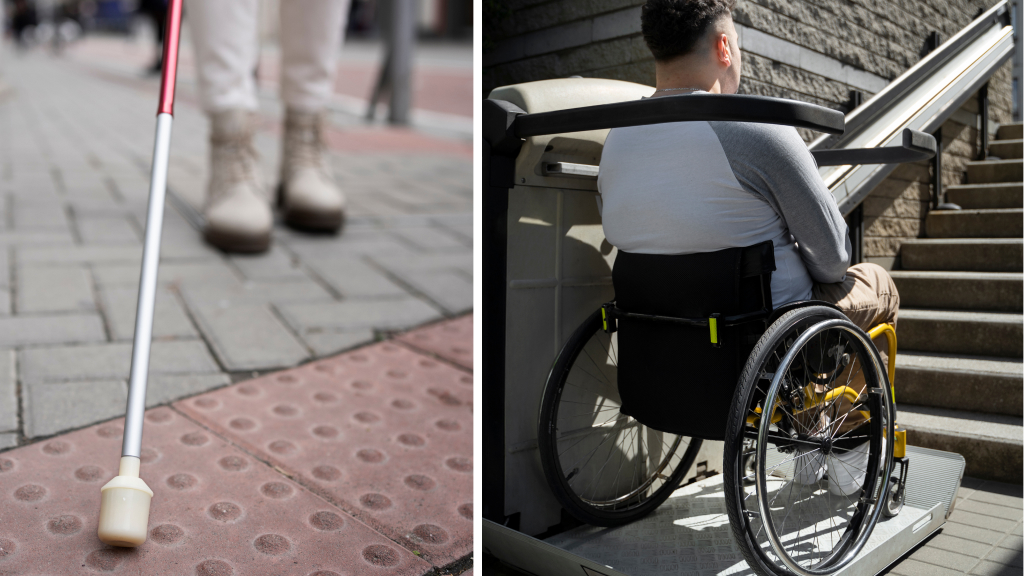
When planning the best vacations for disabled adults, there are important things to think about:
- Physical infrastructure. This includes ramps to enter and exit, elevators to move up and down, accessible restrooms with grab bars to grasp, and roll-in showers for easy entrance.
- Auxiliary communication aids. This would be providing ASL interpreters for tours or events, Braille or large-print materials, and audio descriptions.
- Service accommodations. It’s about providing services to facilitate service animals, space for medical equipment, and staff assistance when necessary.
- Emergency access and security procedures. Finally, adhere to emergency safety regulations. This requires having evacuation plans provided for the mobility-impaired and easy access to contact information in case of an emergency.
5 best vacations for disabled adults
Fortunately, the world is becoming more inclusive. Here are five destinations that could be the best vacations for disabled adults.
Amsterdam, Netherlands (touring through canals for everyone)
Amsterdam is not only famous for its scenic canals and quaint houses. It is also a comfortable city to visit for people who need assistance with mobility. Amsterdam is very flat, so there is no problem getting around with a wheelchair or other mobility aid. For example, one of the major attractions, the Rijksmuseum, has ramps and elevators and offers guided tours for tourists with disabilities.
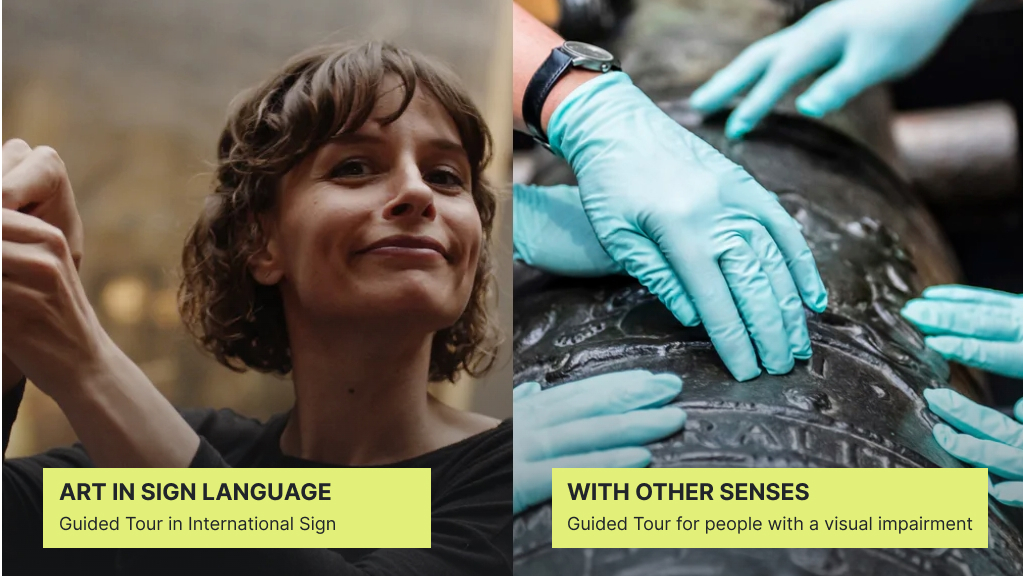
Guided tours are available in sign language and for the visually impaired (Rijksmuseum).
Alternatively, you can take a wheelchair-accessible canal boat tour with operators such as Blue Boat and see the city from a different perspective. There are also hotels like the Met Hotel and Tribe Amsterdam City with facilities for disabled adults.
Seville, Spain (history and culture without barriers)
Experience Seville’s rich history and vibrant culture with ease. The Alcázar of Seville, a royal palace, has ramps and walkways that lead to easy access to most of its areas. The iconic Seville Cathedral and La Giralda are also inclusive. Enjoy a traditional flamenco performance at a tablao, where seating is available for all.
Seville’s center is primarily flat, and many streets are suitable for people with mobility difficulties. When looking for a place to stay, check out the Santa Cruz neighborhood, with lots of disability-accessible hotels (e.g., Rio Vista Inn & Suites, Hilton Santa Cruz/Scotts Valley).
Related article: Spain’s digital nomad visa – criteria & application steps
San Diego, USA (sun, sea, and accessible fun)
San Diego is barrier-free, with pleasant weather and an emphasis on outdoor activities. Specifically, Mission Beach features a level boardwalk and beach wheelchairs for rent.
Then, there is Balboa Park, a massive complex with several cultural centers, including wheelchair-friendly museums such as the Fleet Science Center and the San Diego Natural History Museum.
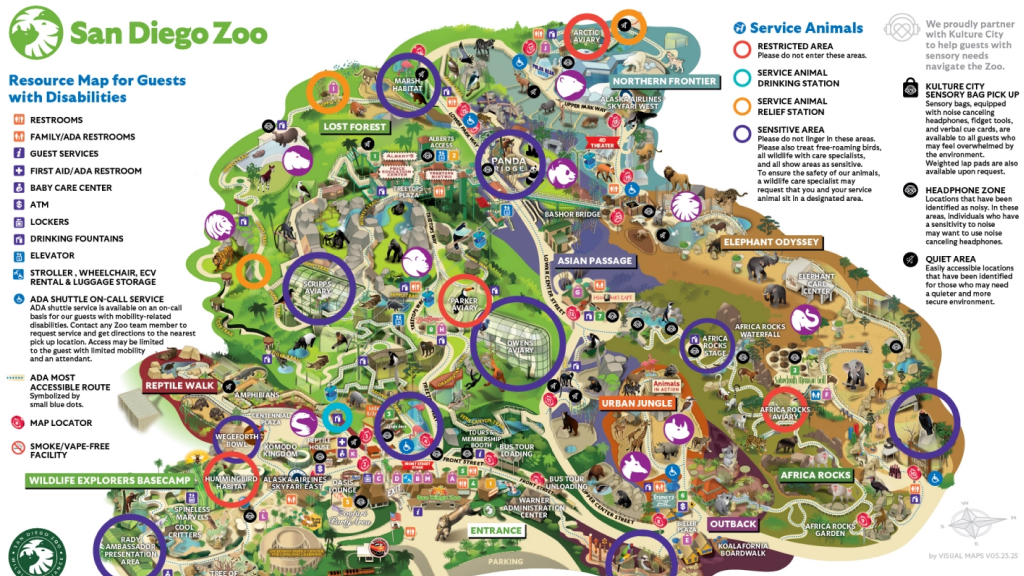
The San Diego Zoo is also full of straight paths and transportation networks. In partnership with Culture City, they help sensory visitors get around the zoo.
Meanwhile, the city itself has made public transportation, such as buses and trolleys, available to everyone.
Berlin, Germany (metropolis designed for everyone)
Berlin is working hard to ensure that everyone, including disabled adults, enjoys the city. The public transportation, such as U-Bahn and S-Bahn trains, trams, and buses, is mainly easy to use. Many stations have elevators or ramps to assist disabled adults getting on and off. Plus, the BVG (the capital’s public transport authority), which runs public transport in Berlin, shares helpful information about accessibility on its website.
Berlin’s famous museums and cultural spots are also inclusive. They have special entrances, elevators, and restrooms for everyone. Parks, like the Tiergarten, have smooth paths that are easy to walk on or use with a wheelchair.
Hotels in Berlin (MOXY Berlin Ostbahnhof, Locke at East Side Gallery, JW Marriott Berlin) are designed to be friendly for people with different needs. They often offer step-free access, adapted rooms, and visual or hearing aids.
Some companies offer special tours that focus on history and culture, catering to disabled adults. Tactile paving and guidance systems are also present around Berlin.
Kyoto, Japan (tradition meets modern accessibility)
Japan is often perceived as challenging to visit for individuals with accessibility needs, but Kyoto is changing that perception. This city features handicap-friendly historic temples and modern buildings. Many famous religious buildings, like Kinkaku-ji (the Golden Pavilion), Higashi Hongan-ji Temple, and Chionin Temple, have walkways accessible to all. Besides that, visit Arashiyama Bamboo Grove, which has routes that are friendly for wheelchair users.
Another must-visit spot is Kyoto Tower, with elevators and a stair climber lift. The observation deck offers 360-degree views of Kyoto.
Kyoto’s public transportation, like buses, subways, and some trains (e.g., Shinkansen), is designed to be barrier-free too. Many hotels – for example, Nohga Hotel Kiyomizu Kyoto and DoubleTree by Hilton Kyoto Higashiyama – also have inclusive features.
Related Article: Ideal Time to Explore Japan – Overview of Cities, Climate, & Seasons
Disability Pride Month
Disability Pride Month is a special event held in July to commemorate the history, accomplishments, and struggles of disabled adults. It is the time that the Americans with Disabilities Act (ADA) was signed into law in America, a giant leap toward equal rights. It aims to challenge negative stereotypes and foster acceptance and inclusion of disabled adults.
Other countries, such as the United Kingdom, South Africa, Germany, New Zealand, Norway, Switzerland, and South Korea, also celebrate the month. People with impairments, in particular, participate in a variety of activities and discussions, usually under Disability Pride Week, within the community.
Essentially, it is a celebration of empowerment and self-acceptance. It reminds us of the power of community and mutual support among disabled adults. And, most importantly, it inspires everyone to become allies, to respect and advocate for equality, regardless of society’s judgment.
Key principles for inclusive travel
Detailed planning of the best vacations for disabled adults eliminates obstacles and ensures a pleasurable experience.

Pre-trip planning essentials
Make sure you do not just research your destination, but analyze it to the smallest detail. Don’t just look for the bare minimum – look for specifics like:
- wheelchair-accessible routes;
- portable ramps;
- shower chairs;
- communication aids;
- public transportation options;
- the type of ground you will be walking on.
It is also advisable to purchase travel insurance. Make sure your policy covers medical expenses, lost or damaged equipment, and trip cancellation due to unexpected events. If you need medication, get your prescriptions well in advance.
When planning your vacation, be realistic about how much time you will spend, and allow extra time for walking. Avoid trying to do too much in one day so that you are not too exhausted.
Booking and reservation tips
Consider using travel agency services that specialize in adaptive vacations. They have a good idea of everything and can help you find what you are looking for in terms of accommodations, transportation, and activities.
When making reservations for your accommodations, don’t be afraid to ask about accessibility. For example, ask about the size of doorways, if the bathrooms are functional, if there are elevators, and anything else that matters to you.
Most importantly, make sure you arrange for any services you may need in advance. For example, you may want to request wheelchair service at the airport, reserve accessible seating at festivals in advance, or rent adaptive equipment once you arrive at your destination.
Packing and preparation for the best vacations for disabled adults
When you are ready to depart, consider bringing your necessary accessibility equipment with you instead of standard luggage. This could include extra batteries for your mobility equipment, medical equipment/supplies, or repair items in case of minor problems with your equipment.
It’s also a smart move to be prepared in case something breaks. Research where you can get it repaired when you arrive at your destination, or bring a minimal repair kit with you.
Finally, keep emergency contact information and copies of critical medical records with you, both printed and saved on your phone or laptop. It is also wise to share your vacation plans and special needs with a friend or relative back home. Additionally, this post outlines many other valuable and essential travel items.
Resources and support
There are helpful sources and items available to plan the best vacations for disabled adults.
For example, don’t overlook travel apps like Wheelmap or AXS Map to find accessible locations. Follow Facebook groups, such as the “people with disabilities support group,” to meet other travelers and gather advice. Also, visit websites such as Wheel the World, Wheelchair Travel, or Handiscover for reviews and tips on inclusive hotels and destinations.
Additionally, consider purchasing eSIM plans instead of regular SIM cards to get mobile data while visiting various countries. It can be cost-effective for long trips, especially with the Global plan that can connect you to local mobile networks in 120+ countries and automatically switch networks when you cross borders.

Finally, look for discounts from organizations such as Mobility International USA or specific airlines and hotels. You can also apply for grants from foundations or charities that support disabled adults. At the same time, try to cut costs by booking off-peak flights or looking for group vacation packages for possible deals.
All-inclusive accessibility – your world awaits
Planning the best vacations for disabled adults may seem daunting at first. However, there are more choices now, and there are more compassionate individuals who understand the needs of inclusive travelers. Indeed, the world is becoming friendlier for everyone, and you shouldn’t let anything stand in the way of your tourism aspirations. Enough breakthroughs are being made that there are even more attractions to see. So, it’s time to start planning your next vacation!