



Traveling is a wonderful but stressful experience for your pet. Fear of unknown places, change of scenery, new smells, and people can cause anxiety even for the most friendly cats and dogs. Ohayu team and customers go for trips with our four-legged friends a lot, so in this post, we would like to share the best life hacks on how to make your pet comfortable during travel.
Check the A to Z for pet-friendly vacation planning, transportation tips, and how to bring animals to their senses upon arrival.
How to prepare your pet for travel?
Imagine that you have already chosen the destination, booked the train tickets, or are preparing your car for the journey by doing a vehicle inspection. You are packing the suitcases, buying medicines and goodies, thinking about what you will do all this time. Your cat or dog is looking at you at this moment, and you realize that this time, you don’t want to leave this sweet baby with friends or parents. So, you start preparing for the journey, and the first thing you should care about is health.
Health check
Visit the vet, especially if your pet has a chronic disease or needs special care. I recommend making an appointment with a veterinarian 1-2 weeks before traveling.

Among the must-dos:
- Get advice on possible travel risks (stress, acclimatization);
- Choose the necessary medications (for example, for motion sickness, sedatives).
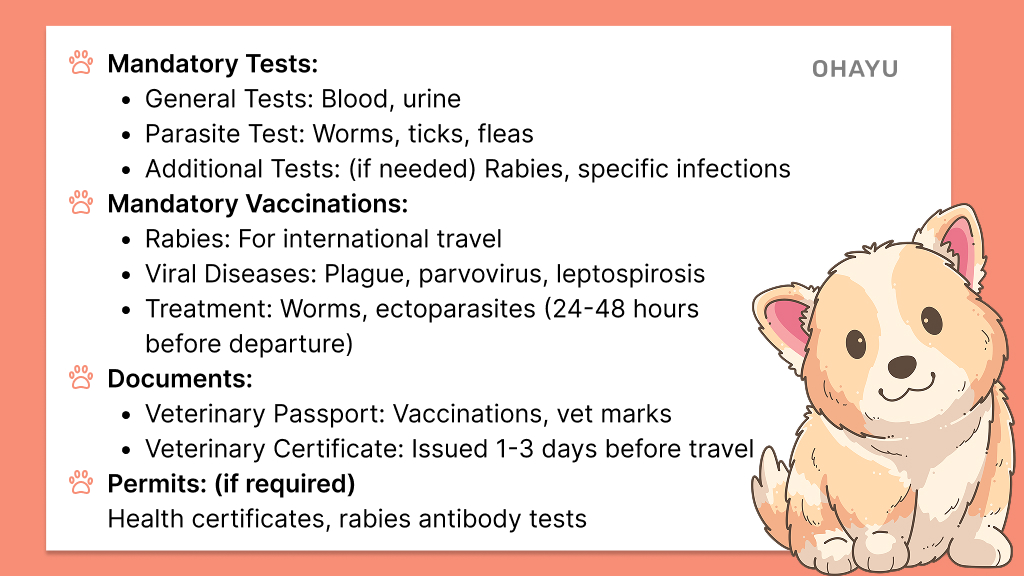
Mandatory tests:
- General tests: Blood, urine
- Parasite test: Worms, ticks, fleas
- Additional tests: (if needed) Rabies, specific infections
Mandatory vaccinations:
- Rabies: for international travel
- Viral diseases: Plague, parvovirus, leptospirosis
- Treatment: Worms, ectoparasites (24-48 hours before departure)
Documents:
- Veterinary passport: vaccinations, vet marks
- Veterinary certificate: Issued 1-3 days before travel
- Permits: (if required) health certificates, rabies antibody tests
Choosing the right transport
For long trips, it is important to choose the right transportation that will provide maximum comfort for your pet. In particular, it can be a car journey, as you can make stops for walks. For shorter trips, it can be an airplane or train. The choice depends on the specific situation. If you are moving around the city, choose a special taxi for animals.
Review the transportation rules
All transportation companies have their own rules for animal carriage. This applies to airlines, railways, buses, and even taxis. Each type of transportation has separate requirements for the weight and size of animals, as well as for the necessary documents. It is important to study these rules carefully to avoid problems when boarding. Imagine how unpleasant it is to postpone a journey or to look for a pet overnight in a hurry.
Getting to know carriers
What is your cat’s personality? Maybe you have a very active dog that demolishes everything in its path? I can tell you that a lot depends on the breed and animal upbringing. Very often, calm pets can easily handle any trips around the city.
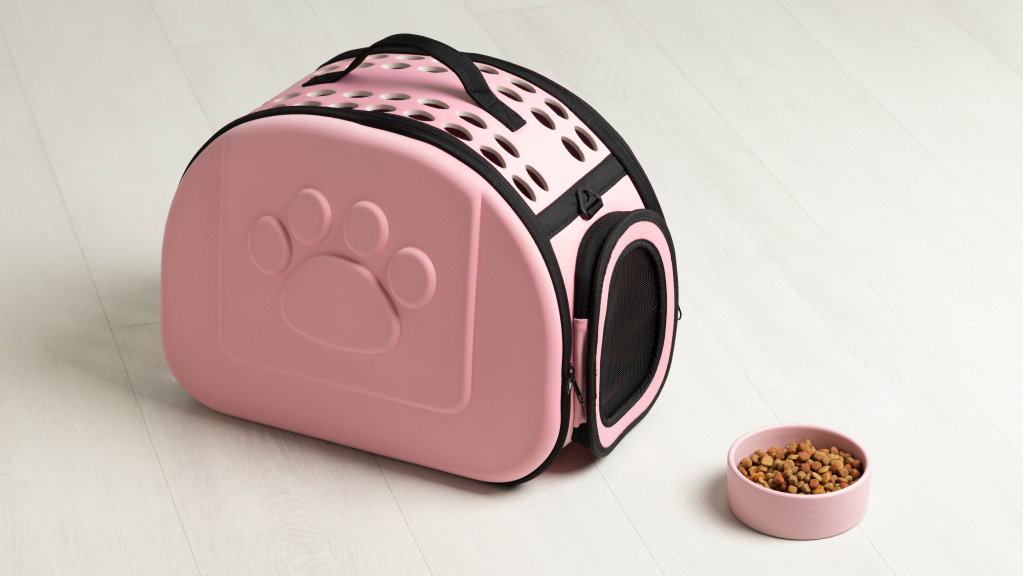
If your pet is hyperactive, you should introduce them to carriers in advance. Put it at home, and place their favorite treats and toys inside. Allow your pet to sleep there before the ride, making it a safe and comfortable place while on the road.
Invest in a good pet carrier. It should be sturdy and not soft so that the animal doesn’t fall off. It should also be perfectly sized to allow your pet to lie down and feel cozy when they want to sleep.
How to choose a carrier based on your pet size
Choose the most comfortable carrier using this cheat sheet:
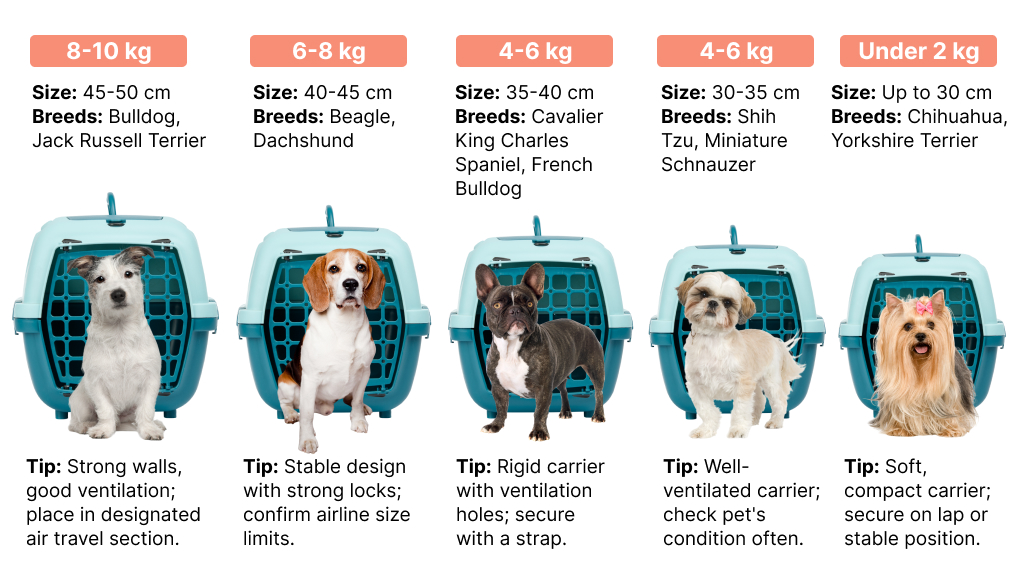
Less than 2 kg
Body length: up to 30 cm
Breed: Chihuahua, Yorkshire Terrier, Pomeranian
Tips:
- The carrier should be soft and compact.
- Transport in the front seat with the carrier on your lap or in a stable position.
2-4 kg
Body length: 30-35 cm
Breed: Shih Tzu, Miniature Schnauzer, Italian Greyhound
Tips:
- The carrier should be well-ventilated and easy to transport.
- Prevent it from moving during the trip. Check your pet’s condition regularly during the trip.
4-6 kg
Body length: 35-40 cm
Breed: Cavalier King Charles Spaniel, Cocker Spaniel, French Bulldog
Tips:
- It should be more rigid for better protection, with ventilation holes for comfortable air circulation.
- Use a strap to secure the carrier when traveling by car to prevent it from slipping.
6-8 kg
Body length: 40-45 cm
Breed: Beagle, Dachshund, Border Collie
Tips:
- Make sure the design is stable and has strong locks and handles.
- Check that the carrier meets the airline’s size requirements for air travel.
8-10 kg
Body length: 45-50 cm
Breed: Bulldog, Miniature Poodle, Jack Russell Terrier
Tips:
- Choose a carrier with strong walls and good ventilation.
- When traveling by air, be sure to place the carrier in the appropriate pet section (cabin or luggage compartment).
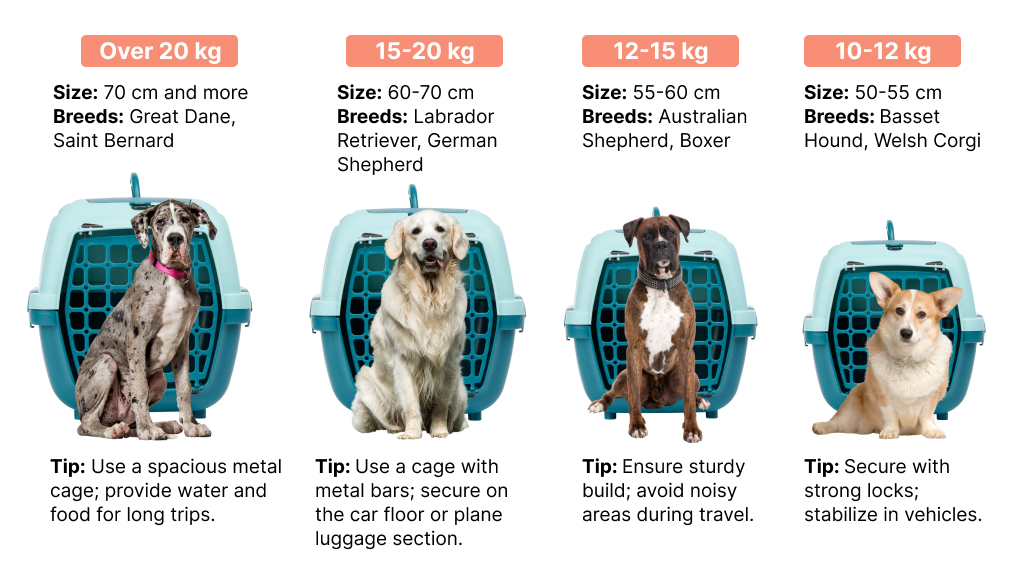
10-12 kg
Body length: 50-55 cm
Breed: Basset Hound, Bearded Collie, Welsh Corgi
Tips:
- Look for secure strong locks and extra stability.
- Secure the carrying case carefully in the vehicle to avoid stress from movement.
12-15 kg
Body length: 55-60 cm
Breed: Australian Shepherd, Boxer, Staffordshire Bull Terrier
Tips:
- It must be very sturdy and stable. Ensure good ventilation and extra stability.
- When traveling by train or ship, place the pet in a quiet place where there are no strong vibrations or noise.
15-20 kg
Body length: 60-70 cm
Breed: Labrador Retriever, Golden Retriever, German Shepherd
Tips:
- Choose a carrier with metal bars for large dogs for better protection and structural support.
- Transport in a cage on the car floor or in the airplane luggage section, where the cage will be fixed and won’t move.
More than 20 kg
Body length: 70 cm and more
Breed: Great Dane, Saint Bernard, Mastiff
Tips:
- Use a cage or metal structure for very large animals for added security. The cage should be spacious and have comfortable carrying handles.
- When transporting over long distances, choose a cage with water and food available, and check the animal’s condition every few hours.
What things should I take to make my pet comfortable during travel?
The right traveling kit is the key to making your pet feel comfortable even in new environments. Prepare all the necessary supplies in advance:
- Take enough wet & dry food, snacks, and water for the entire trip. Get a portable feeder that you can pour food into and fill with water.
- Animals often feel better if they have something familiar. Bring a ball, crunchy sticks, rings, soft toys, and feeding bones.
- Take a blanket or a bed. A familiar smell will calm the animal and give it a sense of security.
- Think about ammunition. Take comfortable collars, leashes, and harnesses. It will help your dog, cat, or ferret feel relaxed and comfy during rest and toilet stops.
Pet travel tips by type of transportation
Now, let’s look at how to make your pet comfortable during travel by different means of transportation. Ohayu team and our friends are happy to share their advice and personal experiences.
Car
- If you are traveling long distances, take breaks every few hours to let your pet walk, pee, and drink water.
- Use special seat belts, a car carrier, or a control to keep your animal safe during the journey.
- Keep the car salon comfortable: not too hot and not too cold. Turn on the air conditioner if you notice that the animal is overheating.

“Hi everyone. I’m Pirozhulia, and I really like to breathe fresh air during short breaks. It calms me down, and I can have a little run. My family even bought me a leash to keep me polite. Honestly, I do my best.”
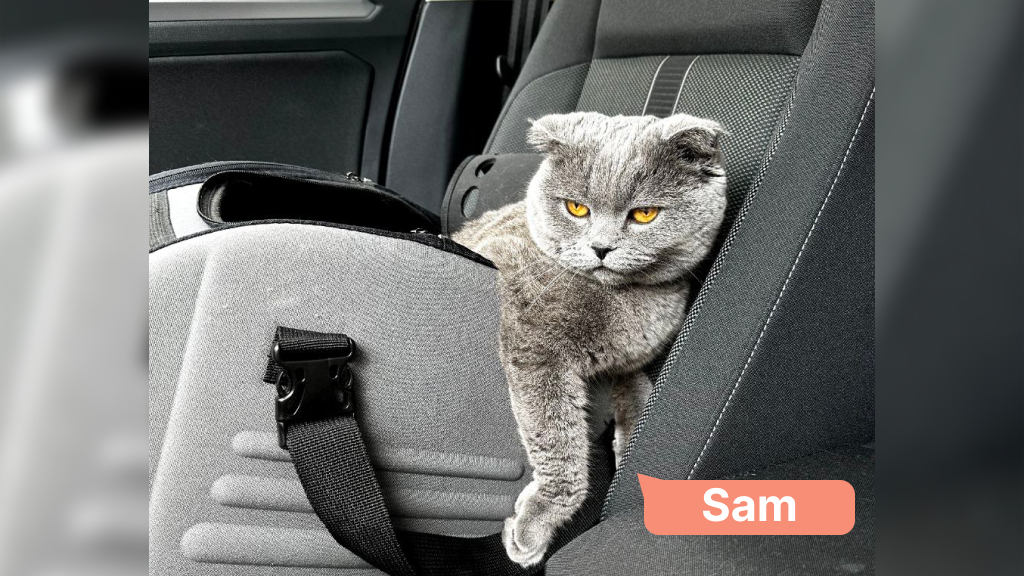
“My name is Sam, I still love my mom, even though we travel a lot. I’m a well-behaved kitty in the photo, but to be honest, my desire to explore and find a cozy spot in the car often takes over.”
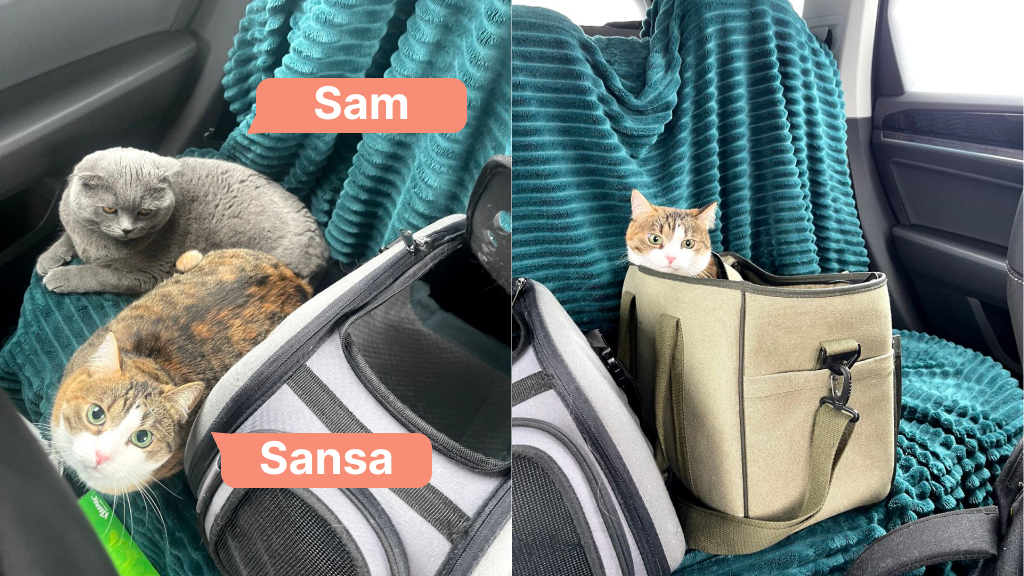
“I’m Sansa, and the first thing I do on a trip is yell a lot. I feel relaxed when people let me sit on someone’s lap. Good thing Sam doesn’t do that, because the ride would be a nightmare… By the way, I like to look at the scenery at stops.”
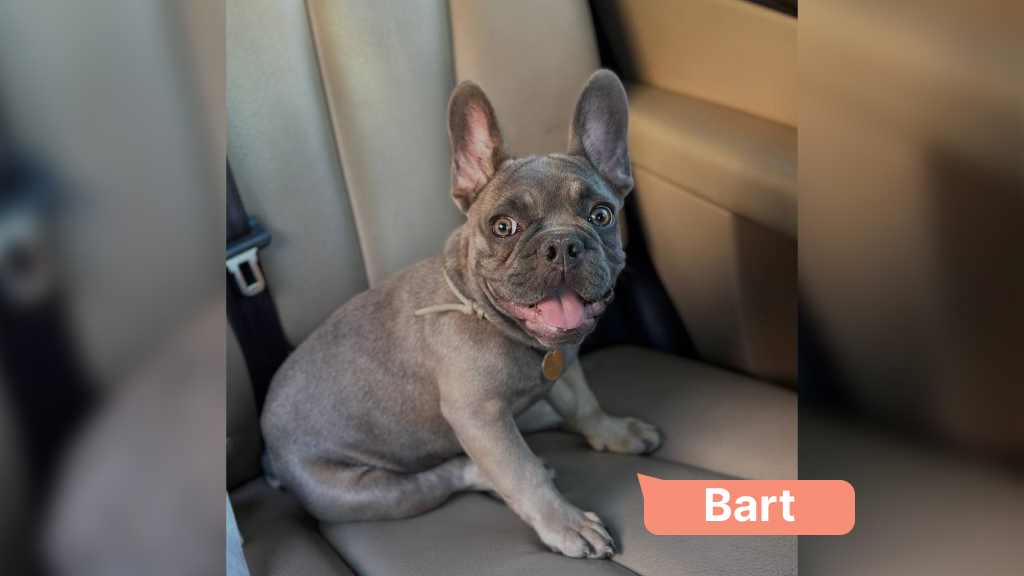
“My name is Bart and I’ve been used to traveling since childhood, so when I hear that mine are going somewhere, I’m already packing my toys. I enjoy calm music and cool air, and I want all the animals to travel in comfort!
Airplane
- If the animal can travel with you in the cabin (usually for small ones), be sure to bring a favorite blanket and water, and use a special carrying case to keep your dog or cat safe.
- Airplanes can be very noisy, so think about how to calm your pet down. Some owners use sedatives (only upon the vet’s advice).
- Some animals travel in the luggage section. Ensure the container meets the airline’s standards.
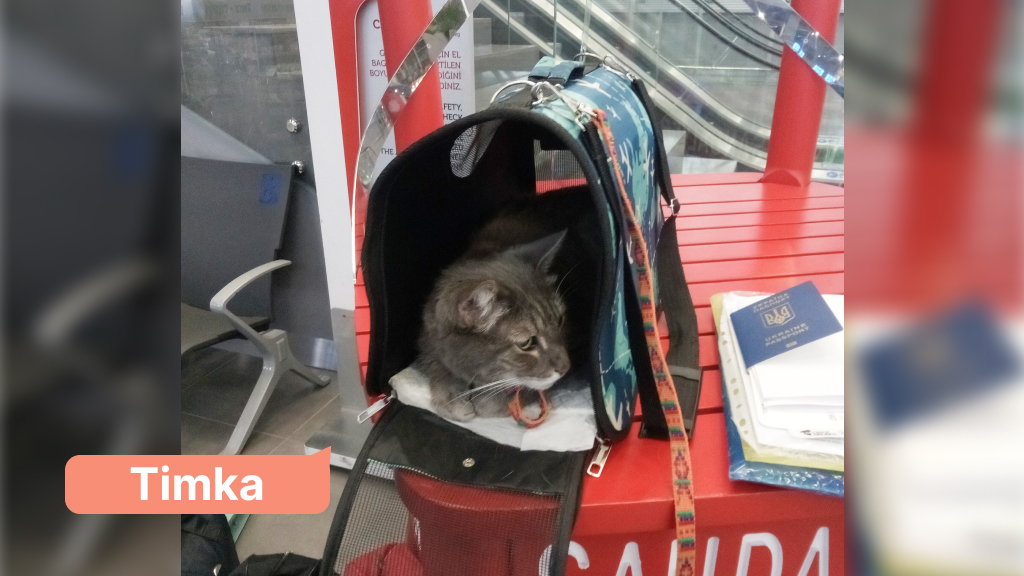
“Hello, buddies! I’m Timka, and I’m waiting for my next flight to Prague. I’m not afraid because my people have prepared a comfy carrying bag, bought a diaper, and are with me all the time.”
Flight conditions on popular airlines:
| Airline company | In cabin | In cargo | Additional info |
| LOT Polish Airlines | Up to 8 kg, max size 55×40×20 cm | Up to 99 kg, max size 122×81×89 cm | No snub-nosed pets; pet must be 3+ months old |
| Lufthansa | Up to 8 kg, max size 55×40×23 cm | Over 8 kg, 2 same-breed pets per container allowed | IATA-approved container; pet must stand, lie, and turn |
| Turkish Airlines | IATA-approved container; pet must stand, lie, & turn | Over 8 kg, a rigid container is required | Cats, dogs, and small birds are allowed; container must have ventilation holes |
| American Airlines | Up to 9 kg, max size 48×33×22 cm | Not allowed | Only cats & dogs; flights within the USA only |
Ship
- If you’re traveling by ship or cruise, check to see if the vessel allows you to transport the pet. Ships can be unstable, so you should keep the carrier stable.
- Keep your pet away from the deck, where there may be a lot of people and noise. Provide a comfortable environment.
- Ask your veterinarian about motion sickness medication.
Train
- Large trains often have special sections for animals to keep them from disturbing other passengers.
- Purchasing an Apple AirTag or another pet tracker will help you make sure you know where your pet is.
- If the trip is long, take breaks to bring your pet outdoors for fresh air.
- Be sure your animal can lie or sit comfortably.

“My name is Sitges and I tried to escape the train once, so keeping an eye on me is important. Also, I am more comfortable in small spaces when in new places, so make sure to bring a cat carrier with me.”
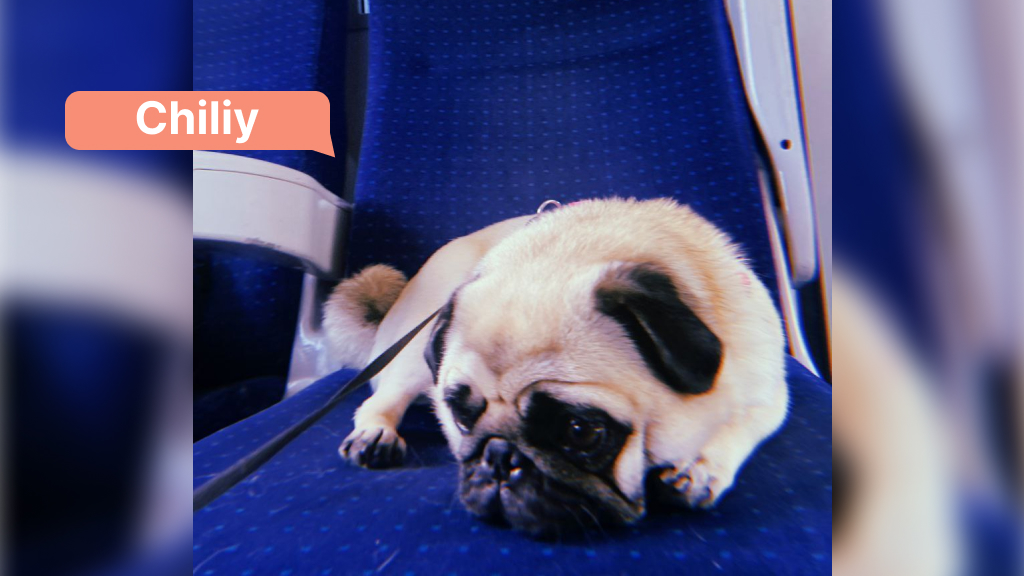
“I’m Chiliy and I’m traveling by intercity train. Noisy sounds make me uncomfortable only for the first couple of minutes, then I get used to it because I know my mom is nearby.”
Other transport options
- Keep in mind that many bus companies have strict pet policies, so be sure to check with them before traveling.
- If you ride a bicycle or use other transportation, consider using special baskets or bags.
- Use a special taxi. A muzzle or leash and bedding are required for dogs. If possible, stay close by.
What to do after arriving at the destination?
If the trip was long, the animal may be tired or stressed. Here are some tips to help them settle in:
- Initial comfort: Create a cozy place in the new location – lay out a blanket or their favorite bed.
- Water and food: Give your cat or dog water and food to help them stay hydrated and nourished.
- Walking: Give them a walk to explore the new surroundings.
How to make your pet comfortable during travel – final words
So, how do you make your pet comfortable during travel? Above all, consider your pet’s safety. It’s a must to take care of a suitable transportation box, access to water, and a calm atmosphere during the trip. Be gentle with the animal, pet it, speak to it whenever possible, and provide the most relaxed atmosphere.
Your comfort is no less important, as traveling often requires you to stay connected. Ohayu eSIM allows you to connect to the supported local network without a physical SIM card. You can choose a plan for a single destination or get a Global eSIM and feel comfortable having mobile internet in 120+ countries.