

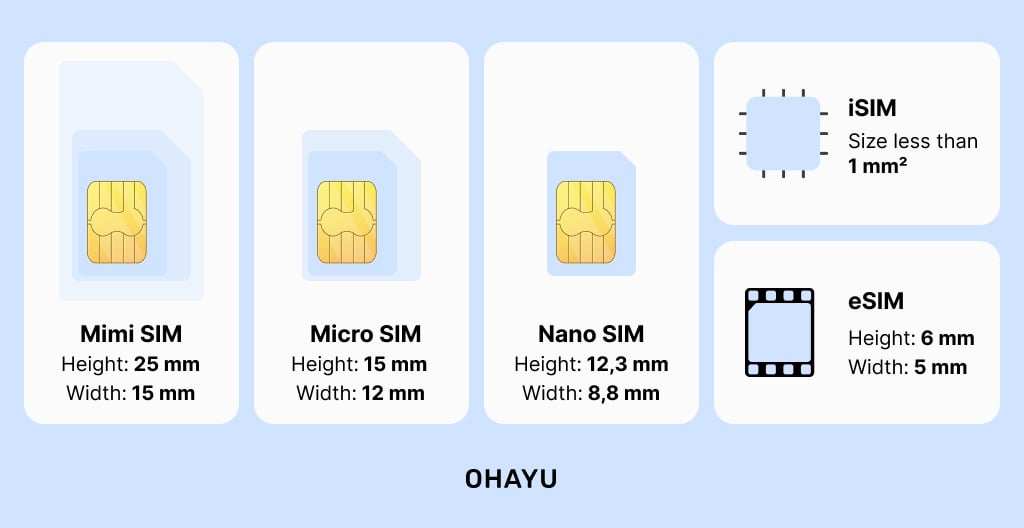
Remember how not so long ago the choice of SIM card was limited only by the size – mini, micro, or nano? The main difference between nano SIM vs eSIM is that the first one is a 12-mm removable chip, and eSIM is a 6-mm card built into the device.
Today, the usual plastic chip has been replaced by technology that does not need to be inserted into the phone slot. But has the old format become useless? Some admire the ability to save costs and change the network in a couple of clicks, while others are not ready to give up a proven solution. In this article, we will make a comparison and show the pros and cons of both options using real examples. We will find out where the security pitfalls are hidden, how much you can save when traveling, and why some countries still don’t have eSIM technology.
What are nano SIM and eSIM?
Imagine that your smartphone is your car, and a SIM card is your ignition key. This “key” used to be the size of a credit card, then shrunk to a microchip, and today has become almost invisible. Let’s understand the differences between the two formats that are now fighting for a place in our gadgets.
Nano SIM
This format is familiar to anyone who has bought a phone in the last 10 years. It is a tiny plastic card (12.3 × 8.8 mm) with a chip that is inserted into a special tray. Its main trump is as follows.
- Simplicity: You buy it from the operator, then insert it, and everything works.
- Versatility: Suitable even for budget phones for $100.
- Control: You can take it out and move it to another device in a second.
But there are downsides. For example, if the slot is broken, you’ll be without a connection until you get it fixed. It’s also easy to lose it.
eSIM
This is different. Instead of plastic, there is a microchip embedded right into the device’s board. To activate it, you don’t need a physical medium: just scan a QR code from the operator or download a profile via the app.
Why is it convenient?
- Slot freedom: Some smartphones no longer have a SIM slot – a larger battery has taken its place.
- Multitasking: You can keep 5+ plans (work, personal, roaming) on one device.
- For traveling: No more searching for a local SIM card – bought the tariff online while still on the plane.
Why are both technologies still in use?
The classic option is cheaper, simpler, and works wherever there are roads. According to Statista, the second is faster and more advanced, but it depends on charging and infrastructure.
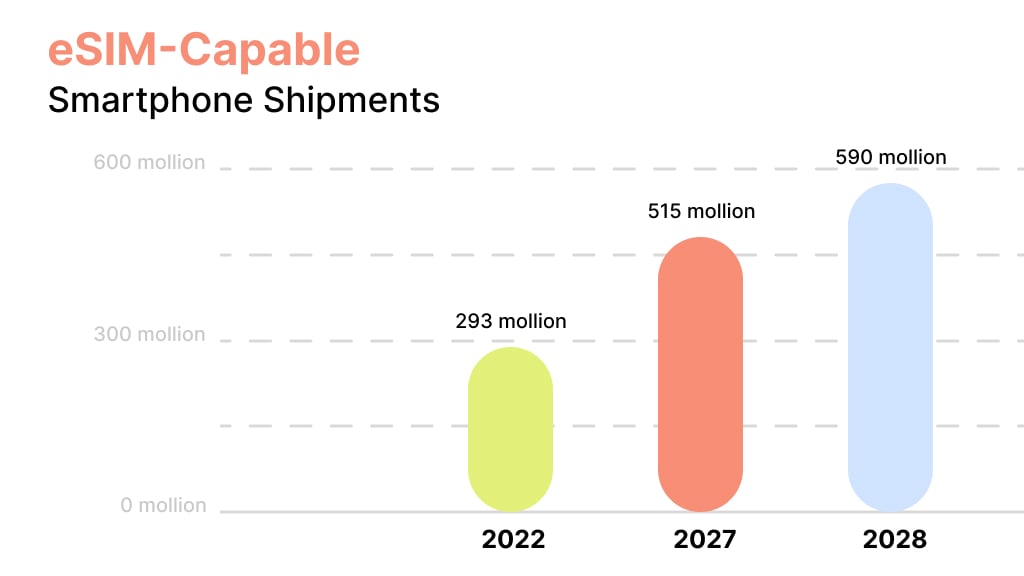
Where the nano SIM wins:
- Countries in Asia and Africa where cheap phones are prevalent.
- Devices like pet trackers or smart sensors – no need for “frills” there.
Where eSIM dominates:
- Apple, Samsung, and Google flagships.
- Smart watches and tablets where there’s no room for a slot.
In short, the choice depends not so much on the technology, but on your habits and where you live. While some argue about which is better, others simply use both – for example, inserting a physical card for a primary number and adding an eSIM for the internet when traveling.
Technical difference
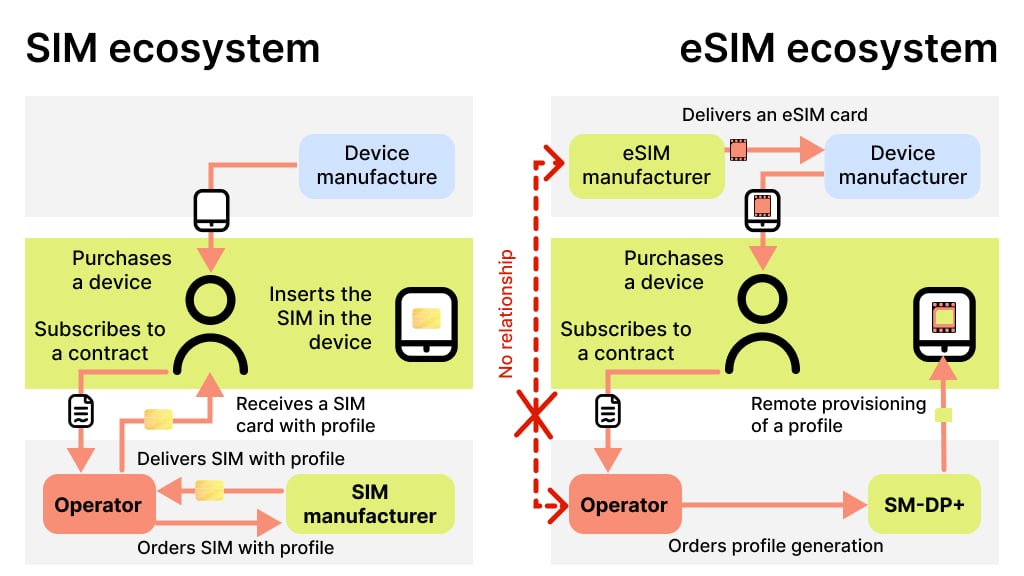
Form and setup
Nano SIM is a tiny piece of plastic with a metal chip. It is easy to lose, but just as easy to replace: you buy a new card from the carrier, insert it, and you’re done. eSIM doesn’t require a physical storage medium at all: it’s a module built into the device, which is activated via a QR code.
- Vote for “plastic”: Suitable even for button phones.
- Vote for “digital”: It doesn’t take up a slot, so the device can accommodate more sensors or a larger battery.
Compatibility: where does it work?
Physical cards are versatile. If you bought a SIM card in Thailand, it will work in any phone with a suitable slot – even an iPhone or a cheap Android. The digital profile is more complicated: your operator and device must support the technology. For example, eSIM is still rare in Turkey or Indonesia, and budget smartphones simply don’t have it.
Functionality: one number or five?
With the classic solution, you are tied to one tariff. Want to add a second number? You’ll have to find a dual-SIM slot or change cards manually. The digital counterpart is able to store several profiles at the same time. For example:
- Primary number for calls
- Local tariff for the internet when traveling
- A separate profile for work contacts
- Switching between them takes a couple of minutes in the phone settings
Reliability
The plastic version is vulnerable to physical damage: the chip may oxidize, and the holder itself may break if installed carelessly. But it is easy to replace even in a remote village.
The embedded module is protected from water and dust, but if the device fails, it is more difficult to restore the profile. Some operators require a personal visit to the office or long data verification.
Why are both technologies still relevant?
Physical cards are like cash: simple, familiar, but inconvenient on long journeys. Digital profiles are like contactless payments: modern but dependent on infrastructure.
The choice depends on three factors:
- Geography: In Europe or the US, eSIM wins; in Asia or Africa, not yet.
- Device: Flagships of recent years support both formats, and budget phones are mostly “plastic”.
- Habits: If you often lose SIM cards, digital will save you. If you like to change phones once a month, it’s easier with a physical one.
Security
Let’s break down how technology protects data and where its Achilles’ heel lies. We won’t pay much attention to standard schemes, such as social engineering or simple card theft. Let’s dive into the more exciting details.
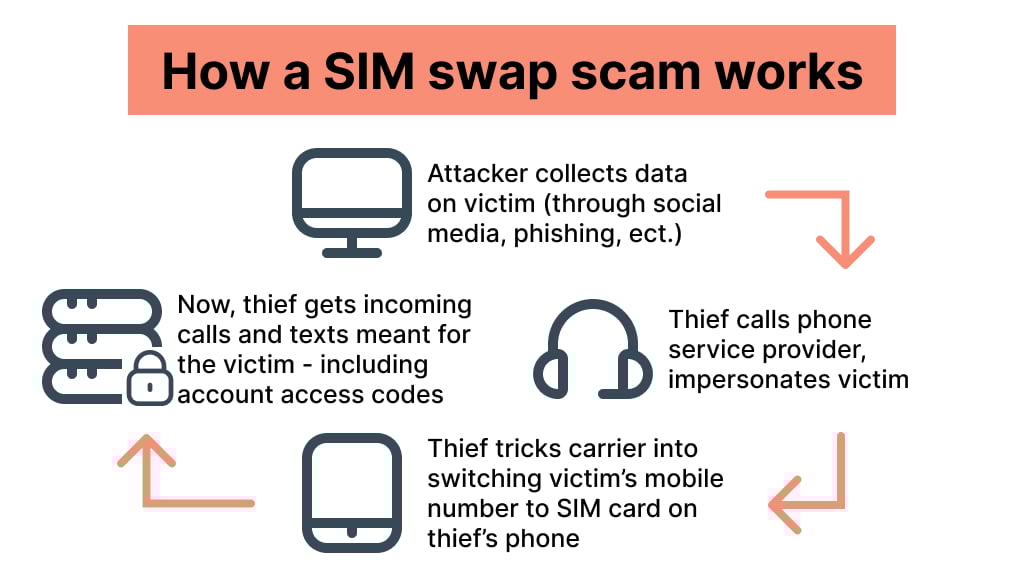
Attacks through the SIM Toolkit Interface
A physical card is a mini-computer with an OS (such as a Java Card) that processes commands through protocols like APDU (Application Protocol Data Unit). Attackers can exploit vulnerabilities in the SIM Toolkit, a set of applications on the card, to:
- SS7 attacks: Intercept SMS/calls via legacy signaling on 2G/3G networks.
- SIMjacking: Card spoofing via social engineering (e.g., convincing an operator to port a number to a “lost” SIM).
- OTA update jamming: Blocking critical patches that the operator downloads “over the air”.

Key issue: the subscriber profile depends on legacy infrastructure, which is still in use in developing countries.
Threats to secure enclave
The embedded chip is integrated with Secure Element, an isolated module where encryption keys are stored. But even here, there are risks:
- LPA (Local Profile Assistant) attacks: Hacking into the software that manages profiles through vulnerabilities in QR scanners or operator APIs.
- Side-channel attacks: Reading electromagnetic interference or power consumption to steal ECDSA keys.
- Compromised CIs (Certificate Issuers): In 2021, researchers found that some GSMA certificates were issued through untrusted certificate authorities.
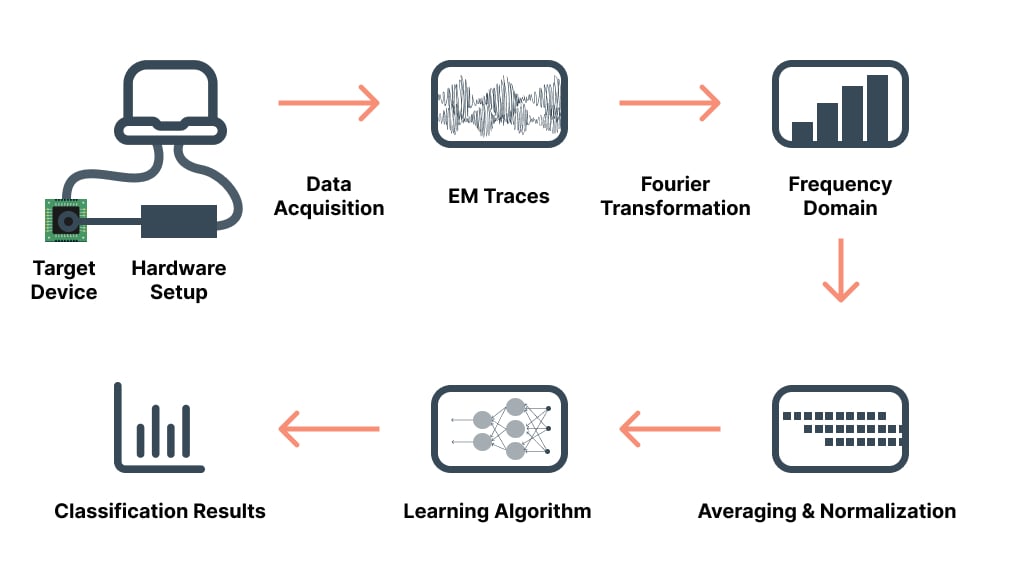
But there is a silver lining: the virtual profile uses the Mutual Authentication mechanism (EuICC and SM-DP+), where the chip and the operator’s server verify each other before activation.
Quantum computing – future threat
Modern cards rely on algorithms like AES-256 and RSA-2048. But quantum computers can crack them using Shor’s algorithm.
- Nano SIM: Does not support post-quantum cryptography (PQC) – infrastructure replacement will take time.
- eSIM: Flexible firmware allows PQC algorithms (like CRYSTALS-Kyber) to be implemented via OTA updates.
It’s still a theory, but companies are already testing solutions – for example, ISARA Corp. is developing quantum-resilient profiles.
Nano SIM vs eSIM price comparison
Have you ever wondered how much the “air” that provides communication costs? A physical carrier is not only plastic but also logistics: delivery of cards to showrooms, production of batches for different regions, and reprogramming for a particular operator. Each tiny card costs providers $0.5-1, but these costs are included in the tariffs. For example, in Europe, they can charge €10 for the activation of a new number, although the card itself costs a few cents.
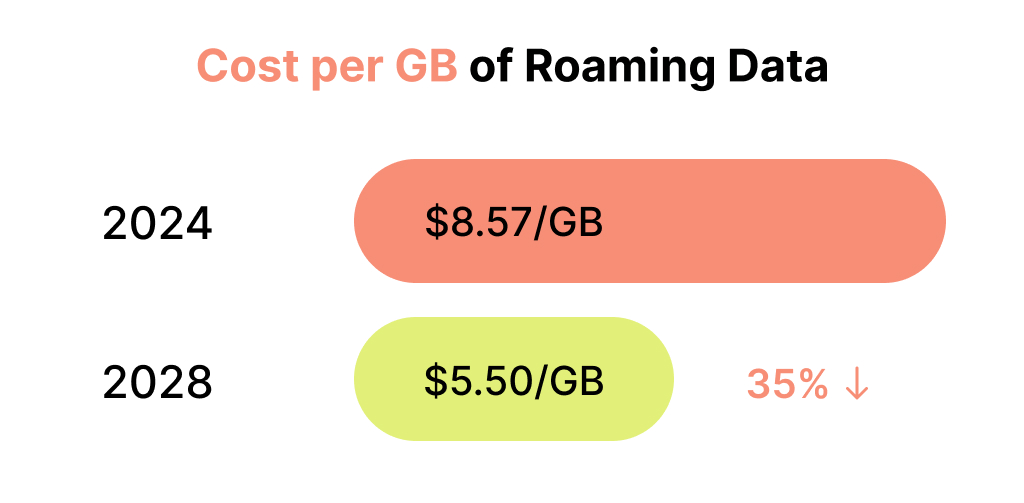
A digital profile takes plastic and shipping out of the equation. The user downloads the tariff through the app, and the operator saves on factories and couriers.
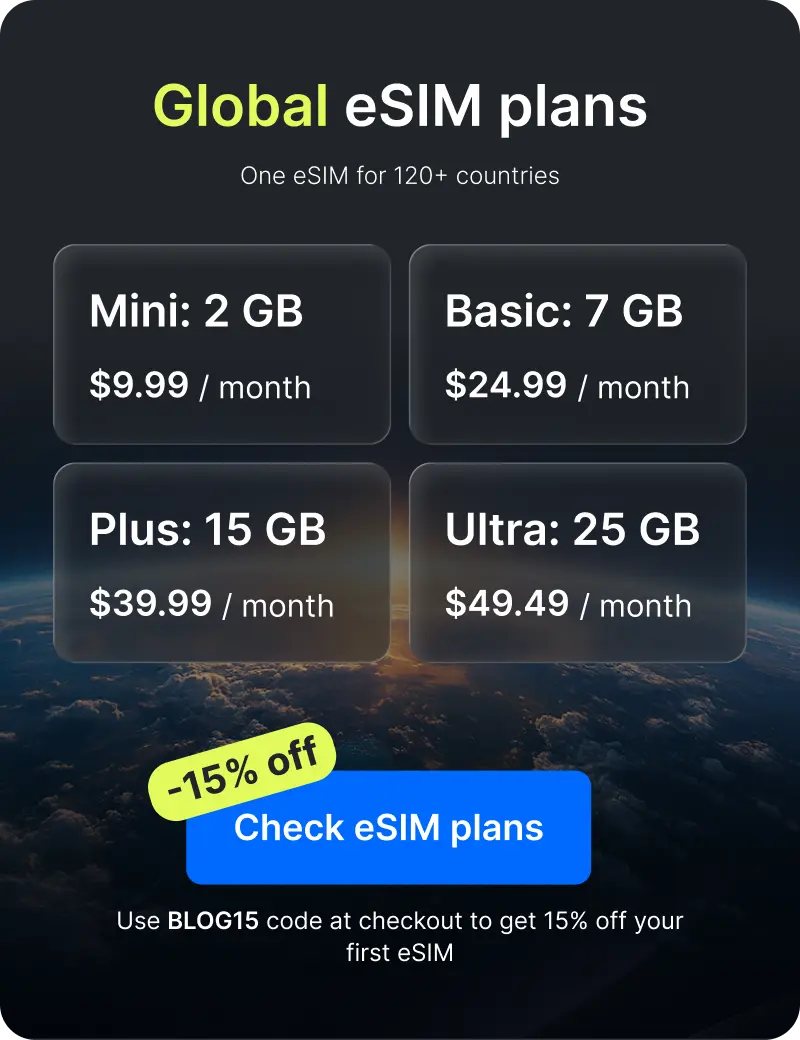
For travelers, the difference is more noticeable. E.g., local internet in Bali via a physical SIM card costs somewhere around $10 for 2 GB. Travel eSIM services like Ohayu can provide an international plan that will cover 120+ countries (including Bali and all of Indonesia) and automatically switch networks when you cross borders, with the same 2 GB for $9.99. True, if the device is outdated, you’ll have to get a plastic SIM card, but if your phone is compatible, an eSIM can be a cheaper and more reliable option than roaming from your home operator.
Which is more beneficial for business?
Manufacturers of smart watches or IoT sensors are massively switching to embedded chips: one module for 10,000 devices is cheaper than 10,000 cards. But the transition to digital is unprofitable in countries where 70% of the market is made up of low-cost button phones. The price depends not so much on the technology as on the appetite of operators and your geolocation. While some save the environment, others profit from digital inequality.
To sum up
The choice between nano SIM vs eSIM is like a dispute between a paper map and a navigation app. The former is simple and accessible in any remote area; the latter is convenient as long as there is a connection. For travelers, eSIM can save time and nerves, especially with services like Ohayu, where you can get connected to a supported local mobile network shortly after arrival. For people who prefer to stick to traditional SIM cards, a nano SIM can give more control without being tied to an operator.