

In Japan, where many signs, menus and timetables outside the big cities are only in Japanese, stable internet for maps and translation is not a luxury but a necessity. But how do you get it? In the past, tourists bought physical SIMs, then portable routers became popular. And now embedded SIM technology has entered the scene, which turns your smartphone into a “universal tourist” without extra devices. That’s why we have to deal with the topic of eSIM vs Pocket WiFi.
Why do many tourists still rent Pocket WiFi in Japan, even though the world is moving to more modern technologies? And is it worth it if your iPhone already supports eSIM? Below, we compare both options on convenience, coverage and security.
What is a pocket WiFi?
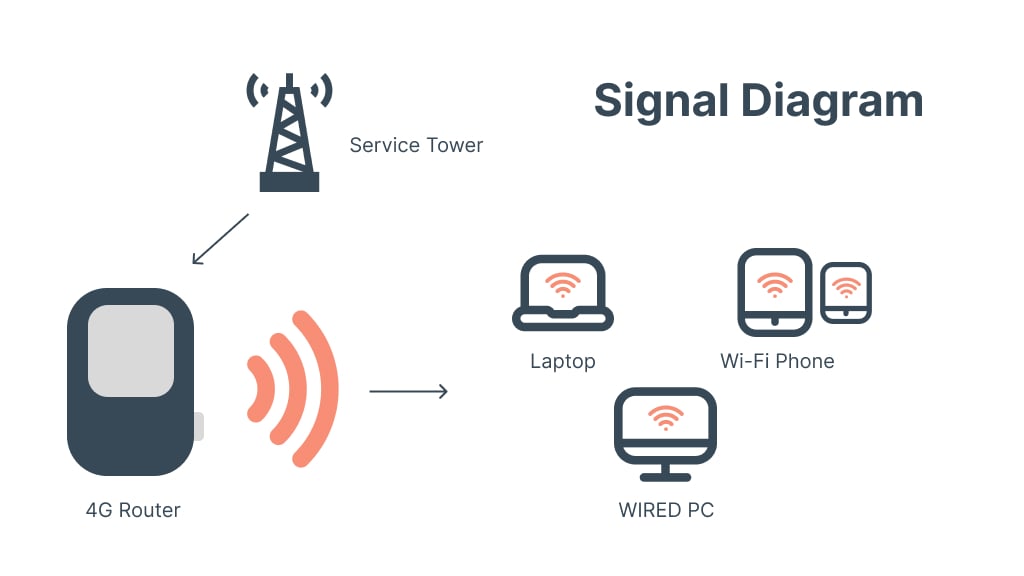
A pocket Wi-Fi or a portable internet router is a compact device that fits in your pocket and creates its own network access zone. It has an ordinary SIM card from a local operator inside, but you don’t need to bother with setting it up – it is ready to go. You can rent such a device in advance: it will be delivered to the airport or hotel. After the trip, the gadget is returned via a special mailbox.
Why do they still recommend it to tourists?
There are three reasons why.
- First, unlimited internet. Many rental routers come with unlimited data plans, which helps if you upload videos every day or use cloud services.
- Second, stability. Routers use local Japanese networks, which cover most populated areas.
- Third, sharing. One router can connect several devices at once, which suits friends or families.
Where else are portable Wi-Fi devices popular?
Outside Japan, pocket WiFi is also popular in South Korea, especially with groups.
In Europe, these gadgets are used for car travel between several countries: there is no need to search for a new internet plan each time.
But now this is becoming different. For instance, in Germany or Spain, it is often more convenient to get an eSIM online than to take the trouble of renting or purchasing that equipment.
eSIM technology
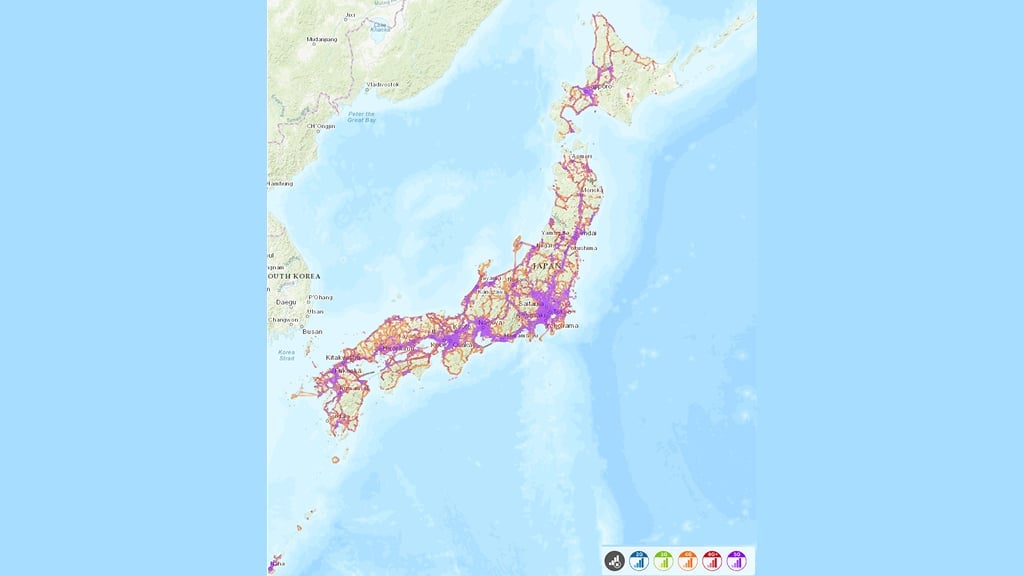
eSIM is a chip built into your smartphone that replaces a traditional removable SIM card. Instead of going to a store or waiting for a router to be delivered, you install the plan you need via a QR code while connected to the internet, for example on Wi-Fi before your trip. Upon arrival, the eSIM connects to a local mobile network. The main advantage over a router is that there is no extra device to carry, charge or return. As the nPerf map below shows, 4G and 5G coverage reaches most populated areas of Japan.
In what ways is the eSIM technology inferior?
Not every device has an eSIM. For example, older devices and some budget Android phones don’t have it. Before making a purchase, check the supported models list on the operator’s website. Another detail is traffic limitations. If you constantly stream or download big files, even 20 GB might run out in a week. In this case, choose an eSIM plan with unlimited data.
When does eSIM win over pocket Wi-Fi?
- Time. In Tokyo, where every minute counts, you won’t have to look for a router pickup counter. Travel eSIMs can be downloaded and installed online.
- Flexibility. If your plans change (say, you decide to extend your trip or need more data), you can buy an additional data package through an app or a website.
- Cost. Travel eSIMs might be cheaper than home operator roaming or contract plans, because you can choose data-only plans for a limited period of time. At Ohayu, for example, you can choose a data plan for Japan.
Pocket WiFi vs eSIM: why a digital SIM is often the better choice
eSIM vs pocket WiFi is like the debate between cab and carshare. We believe both solve the problem, but one does it more elegantly. Let’s break down the key parameters to understand when to choose each of the options.
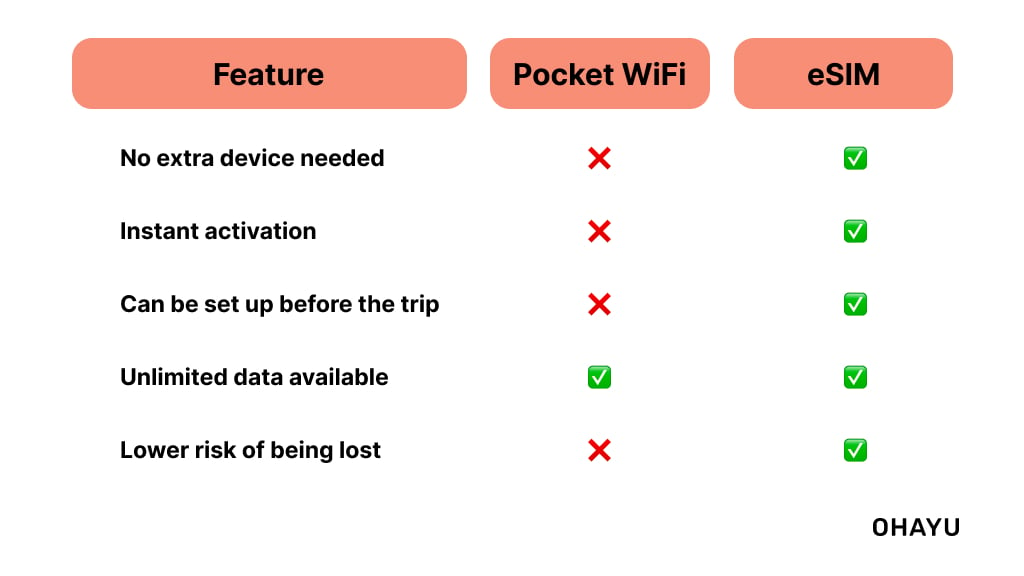
Convenience: free up space in your backpack
When traveling, we always value convenience and don’t want to lug around huge suitcases of stuff, especially if we have to walk a lot. This is also an important factor if we compare a router that needs to be stuck somewhere and a chip that is already soldered into your smartphone.
Additionally, pocket WiFi requires more attention:
- Daily charging, as the battery usually lasts no more than a day of active use.
- The hassle of returning the device (usually by post or at the airport before your flight). This is in case you rented it, not bought it.
- Constant checking to see if it’s still there. After all, in a hectic and unfamiliar city, you can easily lose your personal belongings.
With eSIM, the virtual mobile module relieves you of this inconvenience. The Internet lives in your phone. In Tokyo’s crowded subway system, where every second counts, you won’t have to rummage through your bag to change hotspots.
eSIM coverage
Routers use Japanese mobile networks, and modern eSIM services like Ohayu connect you to supported local networks too, so coverage is similar. With either option, the signal can be weak in remote areas such as mountain trails or small outer islands.
eSIM vs pocket WiFi security
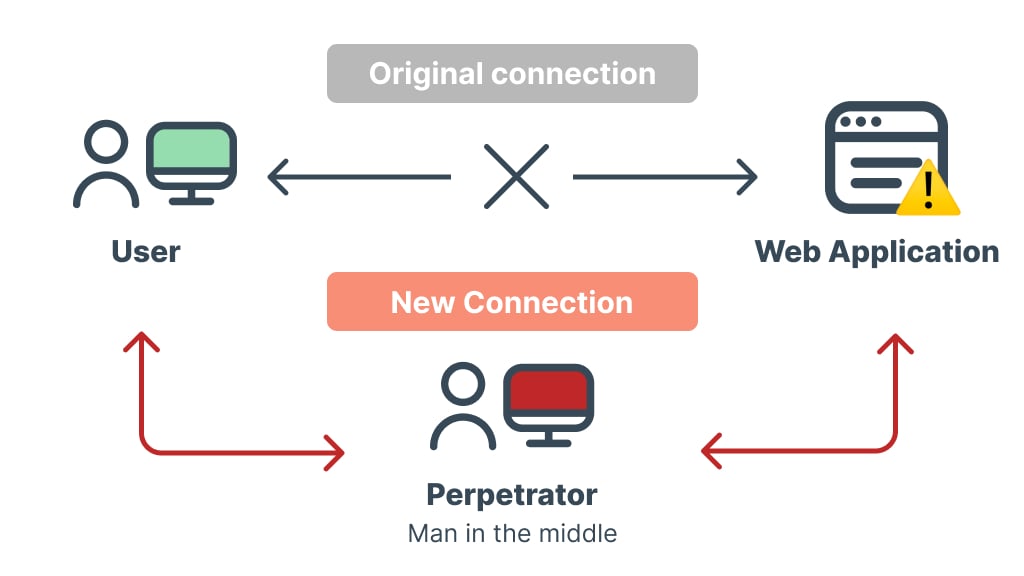
Pocket WiFi risks
Shared or weak passwords: A router protected with WPA2 is only as safe as its Wi-Fi password, and anyone who knows the password can join your network.
Physical access: A lost or stolen router leaves you without internet, and whoever finds it can use its connection.
How eSIM minimizes threats
Encrypted radio link: Mobile data between your phone and the network is encrypted, and some carriers also use Internet Protocol Security in their networks.
Lack of access points: Unlike Wi-Fi, connecting via eSIM does not create a public network that can be scanned (unless you turn on your phone’s hotspot).
Tied to your device: An eSIM profile is installed on your phone’s chip and cannot be pulled out and used in another gadget.
No connection is risk-free, but with basic precautions both are safe for everyday travel.
Guidelines for security
If you are worried about the safety of your personal data, you can follow these steps.
For eSIM:
- Keep your phone’s operating system up to date.
- On Android 12 and later, turn off “Allow 2G” in the SIM settings if your phone offers it, to avoid downgrades to older, less secure networks.
- Use a VPN on public Wi-Fi networks.
For pocket WiFi:
Note: only do this with your own router!
- Change the default Wi-Fi password.
- Use WPA3, or WPA2 with AES, if the router offers it.
- Disable WPS in the router’s admin page.
Summing up eSIM vs pocket WiFi Japan
Pocket WiFi is reliable, but resembles a paper card in the era of smartphones: it requires charging, return, and extra space. eSIM is a modern and more flexible solution with multiple benefits: installation via QR code, no extra device to carry, saving time, and access to local Japanese mobile networks. Travel groups might still prefer a WiFi router, although an Ohayu eSIM can share data through your phone’s hotspot too. For the rest of us, a travel eSIM is often enough. Technology doesn’t stand still, and many phones are already ready for digital solutions.