

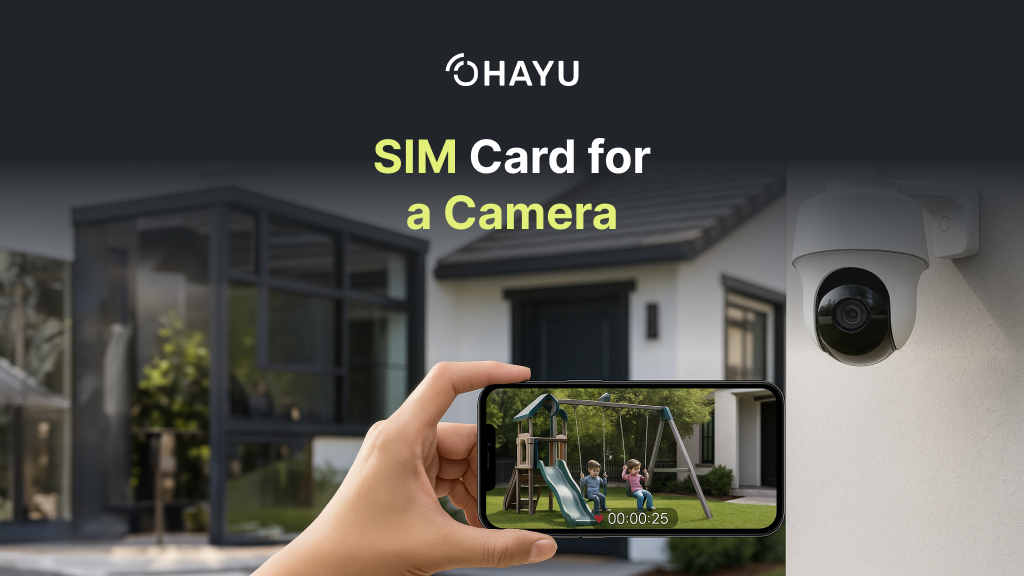
Cameras are no longer limited to mere photography or videography. We use them to monitor properties, vehicles, wildlife, and even to do surveillance through drones. Most of these need the Internet, which a SIM card for a camera provides (unlike Wi-Fi, which isn’t widely available). So let’s take a glance at the benefits of SIM cards for photo and video cameras, specifically the emerging eSIM technology. I will also review which cams are SIM-enabled and what functionality and connection quality to expect from them.
Why do cameras use SIM cards?
Not every camera needs Wi-Fi to work. In places where there’s no router in sight – construction sites, vacation cabins, parked vehicles, farms, or even inside delivery vans – cameras with SIM cards keep you connected.
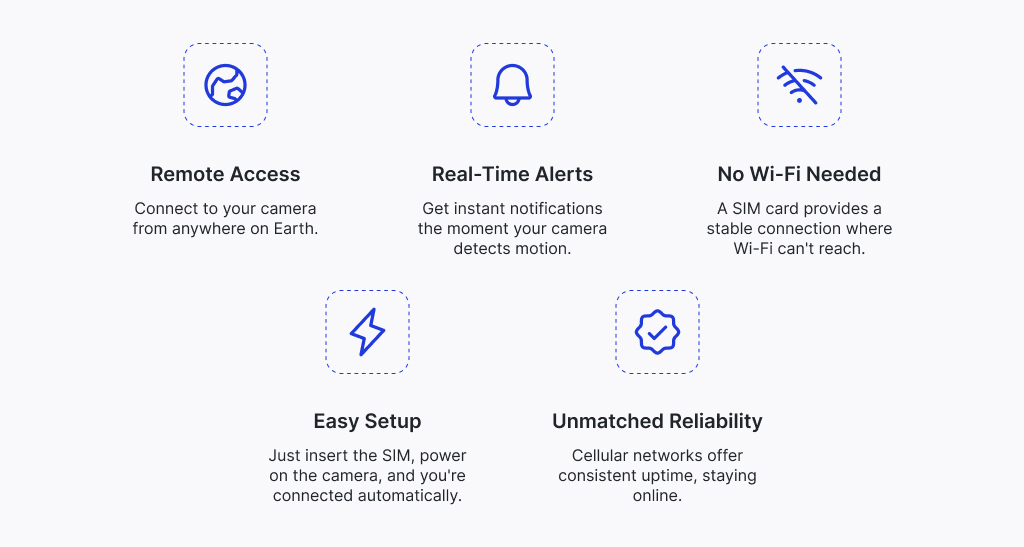
Here’s how a SIM card makes a camera way more useful.
- You can check in from anywhere. With a SIM card, the camera connects to mobile networks, just like your phone. That means you can stream video, check footage, or adjust settings from your phone or laptop – even if you’re thousands of kilometers away. It’s also handy when monitoring property or checking on precious pets when no one is at home.
- Real-time motion alerts. As soon as the lens detects a subtle trace of motion, it sends an alert in real time. For example, instant notifications are helpful for security cameras (immediate reaction to any threat) – whether you’re watching your front gate or tracking movement around a remote site.
- No Wi-Fi? No problem. Most places, such as building sites, remote huts, farms, or cars, typically do not have Wi-Fi. A camera with a SIM card can connect via 4G or 5G, so you’re not stuck trying to set up a hotspot in the middle of nowhere.
- Easy to set up. No technician needed. Just pop in the SIM card, and the camera usually connects on its own. Perfect for temporary installations or places you don’t visit often.
- Reliable connection even in patchy areas. Mobile networks cover far more ground than public Wi-Fi. Even in rural or industrial zones, you’re likely to get at least a basic signal – enough to keep your camera online when it matters.
In general, a SIM card for a camera makes it an effective, round-the-clock surveillance device. It’s a must for real remote monitoring, especially when Wi-Fi isn’t an option.
Traditional SIM card vs. eSIM for cameras
Just like a phone, modern cams support various Subscriber Identity Modules. Let’s look at the differences between traditional physical SIM cards and newer digital eSIM alternatives.
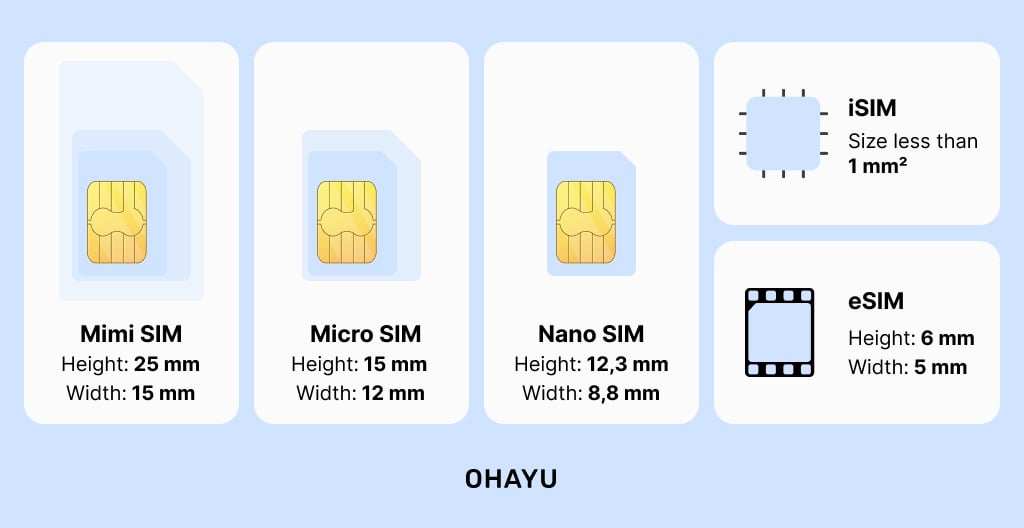
Physical SIM
These are the tiny plastic cards we’re familiar with. They exist in various sizes, such as standard, micro, and nano. You insert them into a camera slot physically. Each is linked to a particular wireless service provider.
Pros: They are widely available, and it is easy to understand how they work.
Cons: To switch network providers, you must physically replace them. Easy to misplace or damage.
eSIM
The eSIM is a tiny chip that is embedded inside hardware when it is manufactured. Thus, it is not something that you can take out. Instead, your network profile – subscription details – is digitally loaded and stored in the chip.
Pros: with eSIMs you can access local carrier networks and get mobile internet without a SIM card. No risk of damage from dust, water, or vibration. You can also use an eSIM on your phone, enable mobile hotspot, and connect your camera to your phone’s Wi-Fi just like you would connect it to any other wireless network.
Cons: Not all modern cameras support external eSIM, like phones. It means that you generally can’t use Ohayu eSIM with a camera unless that camera runs full mobile-device firmware, like an Android-based smart camera or tablet that supports eSIM installation.
To use it, make sure your camera supports eSIM installation (has settings for ‘Add eSIM’ or ‘Mobile network’).
Where SIM card cameras actually make a difference
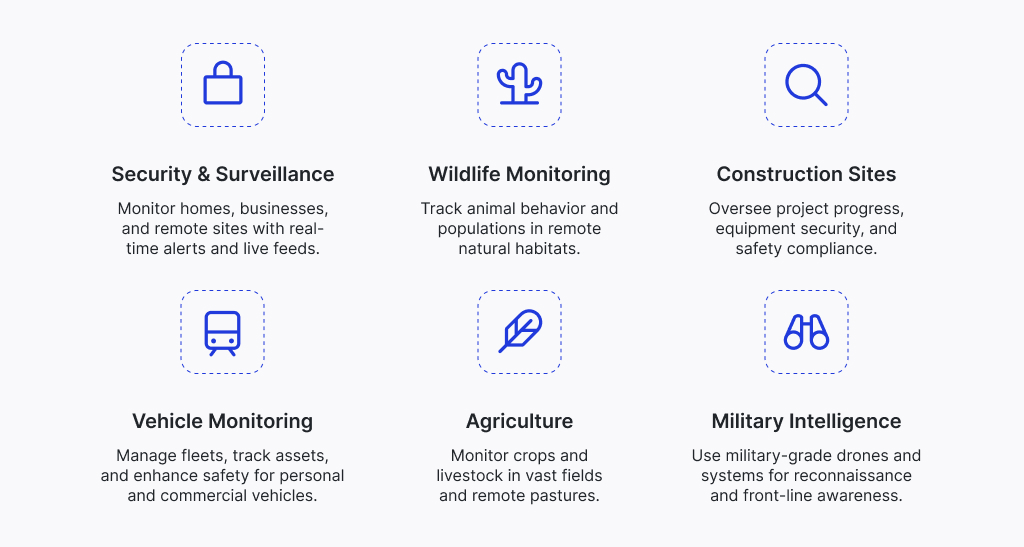
Cameras with SIM cards are changing how various industries work. They help people monitor remote locations, protect property, and gather real-time data in places Wi-Fi can’t reach. Here are the niches where they make the biggest impact.
Security and surveillance
Security cameras boost safety for homes, businesses, and public places. In particular, you can watch your place right from your phone, and you’ll receive alerts if anything moves.
Cellular monitors give owners a reliable on-site view at shops, offices, or big warehouses. It’s handy to keep construction sites safe, watch distant power stations, or keep empty houses and other properties secure. This helps to prevent theft or vandalism. And they’re quick to set up – you don’t need any cables or additional hardware.
Wildlife studies and conservation
Researchers study animals to get a real-world understanding of their behavior in a natural habitat. They place hunting and trail cameras in forests or remote spots to catch pictures or videos of animals as they pass by.
With a cell connection, researchers receive this footage instantly. That’s a huge help because it lets them figure out how the animals behave, how many there are, and where they migrate to.
Construction site monitoring
Tracking progress is a big one. Project managers watch how things are going right from their office. This helps them see building status, identify any issues, and ensure expensive equipment is under 24/7 watch. If something happens, you’ll have the video evidence right there.
And finally, it’s great for safety compliance. Watching what workers are doing helps to make sure everyone is following safety rules. So, all in all, it just makes the whole site more secure and efficient.
Dash cams and fleet vehicles
When it comes to fleet management, companies rely on a SIM card for a camera to track their vehicles. If an accident happens or someone’s driving dangerously, they get instant alerts.
Then there’s public transport. Buses and trains record footage inside and out. Personal vehicle owners use advanced dash cams to watch a parked car. Cameras detect bumps or when someone attempts a break-in and notify the owner immediately.
Agriculture and farming
Farming uses technology a lot now to make things much more efficient. For example, farmers can easily watch their crops grow, detect any pests, or check on irrigation systems in huge fields.
There’s also livestock monitoring. Farmers track their animals, even in faraway pastures and barns. It helps them keep an eye on their well-being and security.
Military intelligence
Many drones, especially consumer models, rely on Wi-Fi or proprietary radio frequencies for control and data transmission, professional and military-grade drones often connect to mobile networks (including 4G/LTE and increasingly 5G).
Connected cameras give real-time visuals and surveillance, especially in conflict zones or during strategic operations.
During the war in Ukraine, for example, SIM-powered drone feeds helped units coordinate movement and assess threats faster than traditional methods.
Choosing a SIM card for a camera
Picking the right data plan is just as key as choosing the lens. So, here are a few things to consider.
- Data Usage. Online streaming eats up a lot of data. If you’re streaming in high resolution, especially all day and night, you’ll need a big data plan. Think something like 50 GB, maybe 100 GB, or even an unlimited one. On the other hand, sending quick alerts or a few snapshots throughout the day doesn’t consume as much GB.
- Coverage. Make sure the provider you pick works well in your cam location. In particular, check coverage maps before you commit to anything.
- What It Costs. Compare prices from different providers. It’s a good idea to find a data-only SIM card for mobile internet only. This is often much cheaper than just getting a traditional SIM card with a phone number, where you have to overpay for calls and messages you don’t need.
- Being Flexible: Let’s say you travel abroad and plan to move your video equipment around or set it up in different regions. In that case, a global eSIM could be your best bet when crossing borders. It can connect your phone to local mobile networks automatically when you cross borders, and you will be able to create a hotspot and share Wi-Fi with your camera device in 120+ countries.
Future implications
The journey to breakthroughs begins. One thing is happening for sure: network cameras are getting more innovative, reliable, and secure. And without improved cellular technology, the potential for remote monitoring would be relatively limited. Let’s see what you can expect in the near future.
5G connectivity
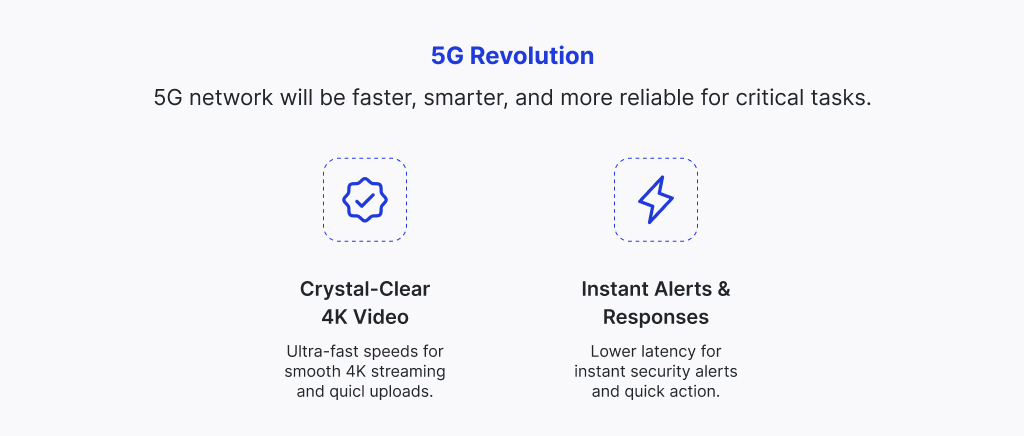
Get ready for some improvements with 5G. We should expect much faster speeds for seamless 4K video and lightning-fast uploads. And with reduced latency, notifications and responses will reach you instantly.
AI integration
AI is already making electronics smarter, and it’s only going to evolve. There are new forms of advanced analytics that allow AI to check video in real time. It can identify objects, people, or specific behaviors (ML and video object recognition technologies). Processing information within the device itself, which is called Edge AI, saves bandwidth and reduces latency, especially with 5G.
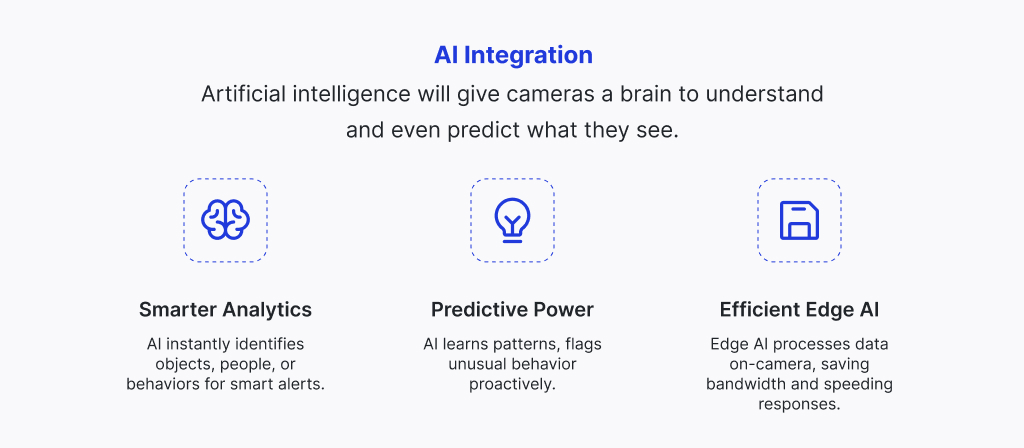
Soon, AI will be able to even predict events based on patterns. It could alert us to suspicious activity before anything happens.
Enhanced security and privacy
As more and more photographic devices are networked, security and privacy become increasingly important. Future solutions are likely to be based on robust encryption to better protect data. Secure boot and firmware will help prevent devices from being compromised.
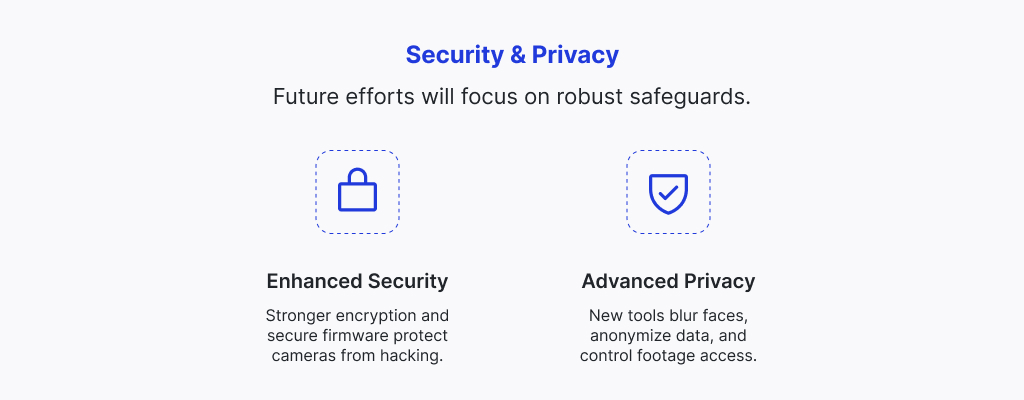
I imagine new privacy features will include tools to blur faces or anonymize information, as well as restrict access to sensitive material.
New use cases
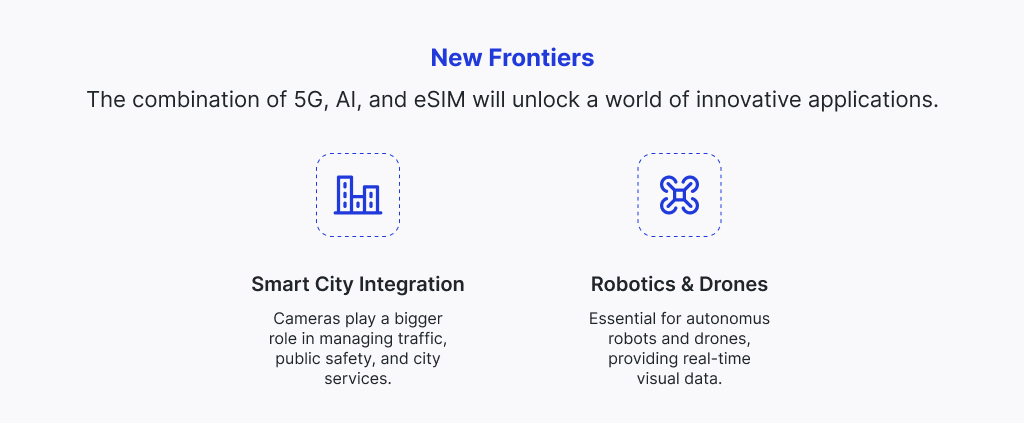
Meanwhile, 5G, AI, and eSIM will come together to usher in millions of new applications. For example, future models are likely to become more integral to smart city infrastructure, traffic management, and public safety. And I expect self-driving robots and drones to have real-time analysis capability.
Conclusion
A SIM card for a camera, especially innovative eSIM solutions, is changing how we use our electronic gadgets. They provide an essential link and transform what might be just a simple recording device into a powerful, connected tool.
From keeping our homes secure to observing wildlife or managing vast construction sites, a mobile connection offers flexibility and reliability that Wi-Fi alone cannot always provide.
And the future promises exciting developments, for sure. With fast 5G and smart artificial intelligence, these devices are becoming deeply integrated into daily lives. They will help create safe, efficient, and informed environments. The journey of these smart eyes is just beginning, and it is, without a doubt, one to watch.
FAQ
It’s a traditional SIM that is required to send data over the network once connected. This allows you to access your camera’s live feed and review recordings from anywhere you have a web connection.
You need one of a few standard sizes: mini-, micro-, or tiny nano-SIMs (the same kind you’d find in smartphones). So, it depends on your specific model.
No. Most SIM-friendly cams are compatible with standard nano sizes. We recommend you choose SIM cards with data-only plans, if possible. You don’t need actual phone service for video shooting, just a solid internet connection.
It is variable based on what you are using it for. A SIM card for a camera usually consumes between 0.5 GB and more than 50 GB per month. For instance, a monitoring cam in sleep mode uses roughly 5 MB per day, whereas live view for 1 hour (best quality) will consume up to 1.5 GB. Storage of information on the cloud for 1 hour a day might add another 0.5 GB a day.