

Digital SIM cards are growing in popularity because they’re much more convenient than those teeny plastic ones we’re used to. But can eSIM be hacked? – Yes, like phones, laptops, and tablets, it is not immune to hacking. However, the risk is lower than with physical SIM cards. In this article, we will discuss the very important topic of digital safety. We will explore the security aspect of embedded SIMs and determine if there is any cause for concern regarding potential theft, malware, or remote hacking.
Reasons why eSIMs are tougher to hack
Well, can eSIM be hacked? Below is a summary of the safety benefits the technology brings.
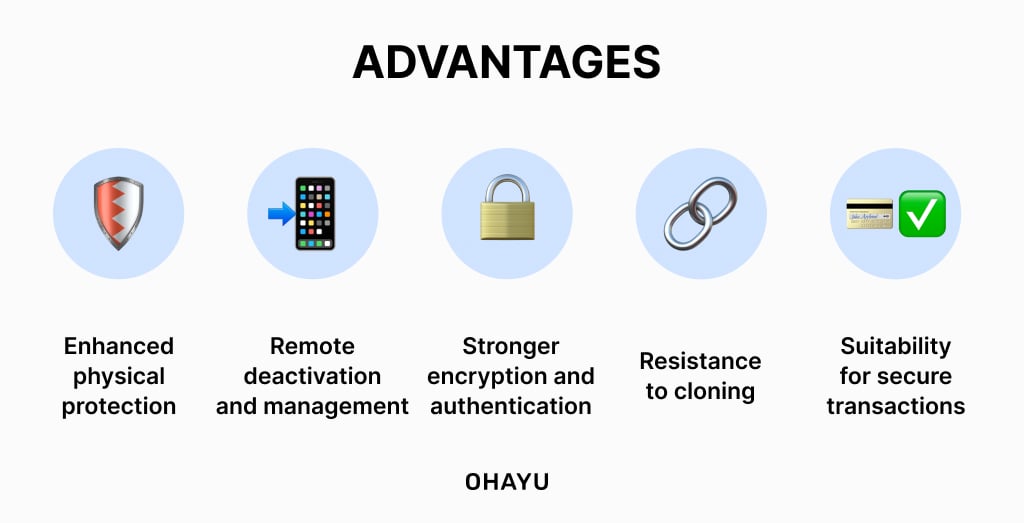
Built-in nature
A virtual SIM is inside your phone, so it’s a lot more difficult to steal it physically. This makes it less likely that someone can access your card.
Remote control
Imagine losing a smartphone. With a traditional method, someone who finds it could use your number until you reach a carrier. With a virtual one, however, you can deactivate it or even delete it if necessary (much more control).
Locks and keys
Digital cards use stronger digital “locks” (encryption) to keep information safe. They also have tougher “keys” (authentication), so only you and a mobile carrier can access and manage your eSIM profile. This makes it harder for unauthorized users to hack or spy.
Tough to copy
Remember old spy movies where they clone SIMs? Fortunately, embedded ones are harder to clone. This means it’s less likely that someone can hack in and try to steal your device number/data.
Safe banking
eSIM is a relatively safe option for online banking and mobile financial transactions. The extra security means more peace of mind when dealing with sensitive information.
eSIM risks – is eSIM safe, can someone hack it?
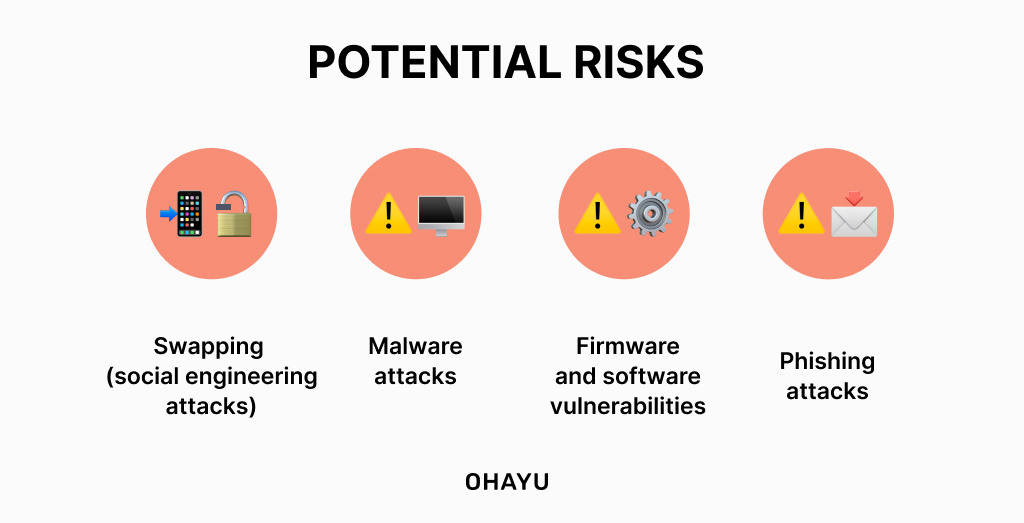
Even though digital cards are secure, just like anything connected to the internet, they aren’t completely risk-free. So, can eSIM be hacked? Let’s talk about how hackers can use it, so you know what to watch out for.
Social engineering
Social engineering (phishing) is a technique used by hackers who have part of your personal information. With swapping, hackers try to trick a mobile operator, not your gadget directly.
They might call a provider pretending to be you, using, for example, fake IDs or information they’ve gathered about you online. If they’re convincing enough, they may be able to transfer your profile to a different, hacker-controlled phone.
Malware attacks
Malware is just a general term for bad software (i.e., viruses). If you accidentally download a bad app or click on a dodgy link, malware could get onto your operating system. The malware program could potentially try to tamper with your profile or copy the information needed to access it.
Software security breaches
Firmware and software are the behind-the-scenes elements that enable your smartphone and eSIM chip to work. Sometimes, they have little mistakes or weaknesses called vulnerabilities. Clever hackers can find these weaknesses to attack your smartphone.
Fake emails and websites
You’ve probably heard of phishing. This is when hackers send fake emails or create fake, real-looking websites. They might try to trick you into typing in usernames, passwords, or personal info. If they hack login details for your cellular account, they could steal that information to access sensitive information.
It’s important to remember that these are potential risks. eSIM technology is still pretty new, and security is always improving. Knowing about these potential threats just helps you be smarter and more careful about your digital privacy (more on this later).
eSIM vs. physical SIM: security face-off
Security-wise, let’s break down the differences between embedded and regular plastic cards. It’s not about being totally secure and safe. They both have good points and weak spots.
So, can eSIM be hacked, and is a traditional SIM risk-free? A table might make this super clear:
| Feature | e-SIM | Physical SIM |
| Physical tampering | Stronger: Embedded, harder to remove/steal | Weaker: Removable, easier to steal |
| Physical swapping | No physical cards to swap | The ability to physically swap |
| Remote deactivation | Yes: Possible to deactivate remotely | No: Requires physical access |
| Cloning | Harder to Clone: Newer tech, better protection | Easier to Clone: Older tech, more vulnerable |
| Social engineering | ⚠️ Providers are not protected from fraud | |
| Malware attacks | ⚠️ Possible compromising of devices | |
| Firmware/software vulnerabilities | ⚠️ Gaps exist in device firmware and eSIM chip firmware | |
| Phishing | ⚠️ Login credentials for mobile provider accounts are vulnerable to hacking | |
What this means in simple terms
- eSIM is stronger in some physical ways. Because it is built into the hardware, it’s harder to physically steal it or swap it out.
- However, both can be tricked in similar ways. Either way, hackers may still try to trick your mobile operator (social engineering) or install malware on your phone.
- Data safety is about how you take care of your device and accounts. Use strong passwords, be careful about phishing, keep your smartphone secure physically, and so on. All this is important no matter what type you have.
Taking care of your data safety
Let’s see how to protect your data.
Strengthen security
Think of your gadget like your house. You want to make it hard to break in.
- Come up with super strong passwords: Don’t use “1234” or anything trivial for your lock screen or SIM PIN. Instead, create strong passwords and PINs that are hard to guess. Think of mixing letters, numbers, and symbols – like a super complicated lock combination.
- Double up on security: Imagine having two locks on your front door instead of one. That’s what multi-factor authentication (MFA) does. When you turn it on, it means even if someone guesses your pass, they still need a second code (usually sent via an authenticator app).
- Keep everything up to date: Mobile device companies and app makers are always working to make things safer. They release updates for your software and firmware (the inner workings of the OS) that often include important bug fixes. So, when your phone asks you to update, say YES!
Be vigilant against phishing and social engineering
As I mentioned earlier, hackers aren’t always trying to break into your smartphone directly. Sometimes, they will try to mislead you.
- Learn to spot the fakes (phishing): unscrupulous people may request passwords/confidential information or trick you into opening suspicious links. Be very cautious. If a message/e-mail is under consideration, and particularly if it requests your confidential information, there are very good chances that it is fake. Don’t open links until you are sure that they are genuine. If you suspect a message is from your bank, for instance, proceed to their official web page rather than opening a link within the e-mail.
- Be wary of strange requests: be cautious if you receive an anonymous call. They may request personal data. No legitimate company will ask for sensitive information over an unexpected call or message. If it doesn’t feel right or sounds suspicious, it likely is. So it’s always better to be cautious than sorry and double-check with the company directly through official contacts. But not through a dubious message.
Secure your mobile provider account
Your operator account is the key to your mobile services and personal details. You thus want to secure it. And this is how.
- Super secret (strong, unique) passwords for accounts too: just like your device password, ensure the one you have for your online mobile account (where you pay your bill, etc.) is also super strong. And don’t use the same pass everywhere. You don’t want them logging all if a single one is hacked.
- Monitor your profile: now and then, get on the web and log in to your cellular provider account. Just surf around – check your recent activity, ensure your plan is properly set, and that there isn’t anything out of the ordinary happening that you didn’t have set up.
Physical device protection
Don’t forget about the real world – don’t let your phone out of sight. This might sound obvious, but be mindful of where your gadget is. Don’t leave it sitting out in public places where someone could easily grab it when you’re not looking. If someone steals it physically, they could then try to mess with it. This includes getting to your eSIM if your device isn’t well-protected with passwords and other security-related measures.
Make copies just in case
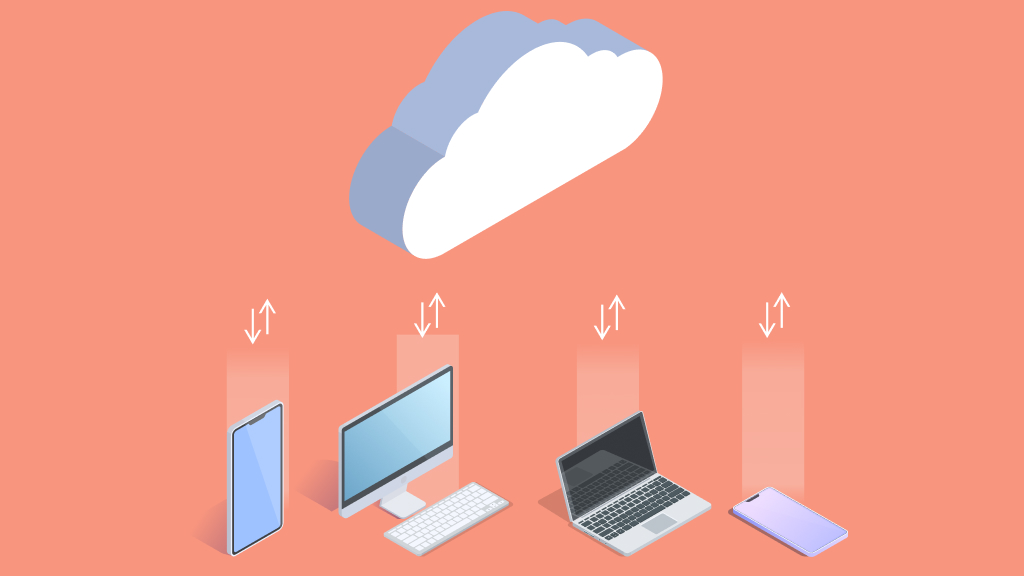
Make sure to have a safety net for all your precious phone stuff. That is, consider insurance for your digital life (regular data backups). Suppose something goes wrong – your cellphone gets stolen, lost, or perhaps even infected with malware. If you keep backing up your data (photos, contacts, messages, etc.) periodically, you will not lose it. Backups help to make copies of your files and save them in a safe place. And then, if anything goes wrong, you can easily restore them. Most phones already have pre-installed ways to back up data to the cloud – turn this on, and it will do it automatically.
Learn more about hijacking methods and defense strategies here.
Can eSIM be hacked? Let’s summarize
For day-to-day usage, digital technology is virtually secure. It provides security enhancements over standard SIM cards, particularly as it’s embedded and more difficult to physically manipulate.
eSIMs aren’t 100% safe from hacks. There are still some potential risks out there, like getting tricked by social engineering or falling for malware. But here’s the key thing to remember: keeping your data safe is a team effort. By being smart about your passwords, watching out for scams, and keeping your devices secure, you play a huge part in staying protected.
So, are eSIMs safe? And can eSIM be hacked? This is a reliable and easy option. It has benefits, and like anything on the web, there are risks. But you can avoid them with simple precautions. It’s just being a smart user in today’s age!