

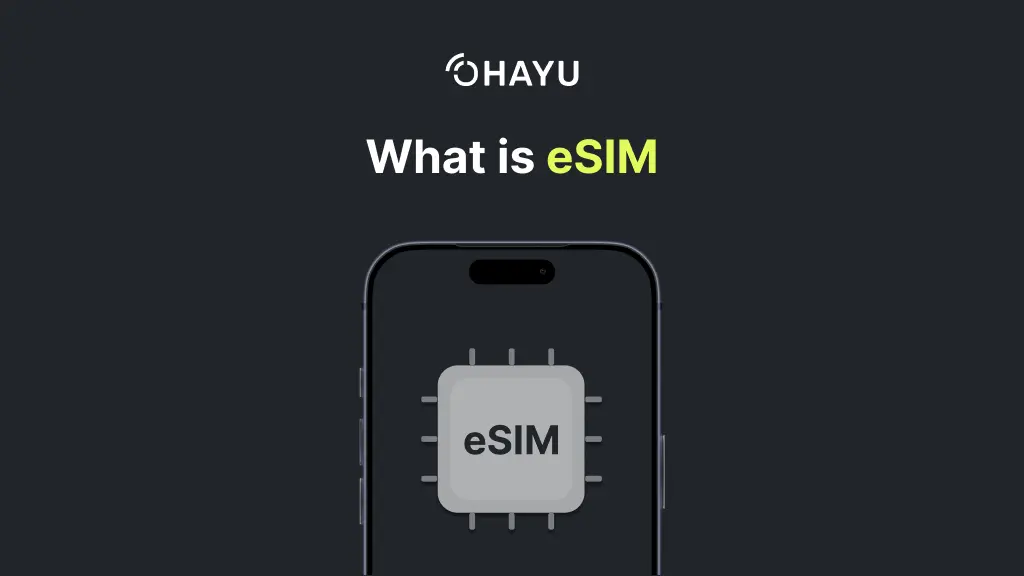
eSIM (embedded subscriber identity module) is a 5 × 6 mm chip built into the device’s motherboard that works as a SIM card alternative. It has 200 KB – 2 MB of memory and can store several digital profiles from different networks, which users can activate over-the-air, without visiting cellular operator stores.
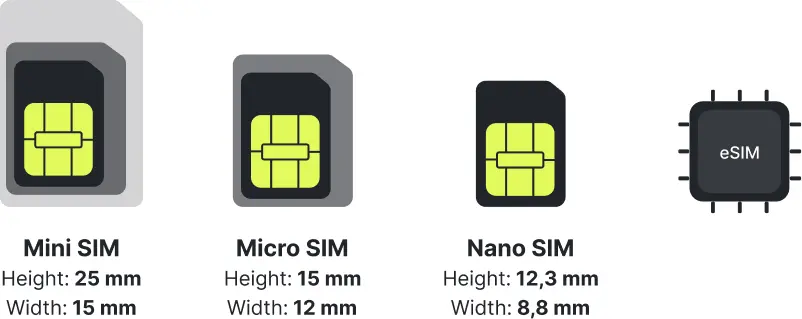
It’s a digital version of a traditional card and offers perks that physical ones lack:
- The chip is built-in, making it hard to lose or steal separately from the device.
- Users can purchase and install it online without physical store visits.
- It can connect users to multiple networks in different countries.
- Users can keep their home number and use eSIM to store data-only profiles for mobile internet.
- eSIMs don’t require physical switching.
- Most recent smartphones, especially in the premium segment (iPhone XR+, Pixel 3+, Samsung Galaxy S20+), are already eSIM-compatible, and some models are eSIM-only (e.g, iPhone 14 and later models sold in the US).
These advantages make eSIM practical for traveling. Users can stay connected to the internet abroad without high roaming charges, physical store visits, or ID/KYC regulations for data-only profiles.
How does eSIM work?
Unlike traditional cellular cards that you insert into your phone, an eSIM is already inside the device. After activation, it connects you to your mobile network. It’s all done digitally, making it easy and convenient to switch carriers or plans anytime.
eSIM activation process
Modern eSIMs can be activated in 4 steps. The installation process is similar across providers. We will show you an example based on Ohayu eSIM.
1. Ensure your device is eSIM-compatible and connected to Wi-Fi.
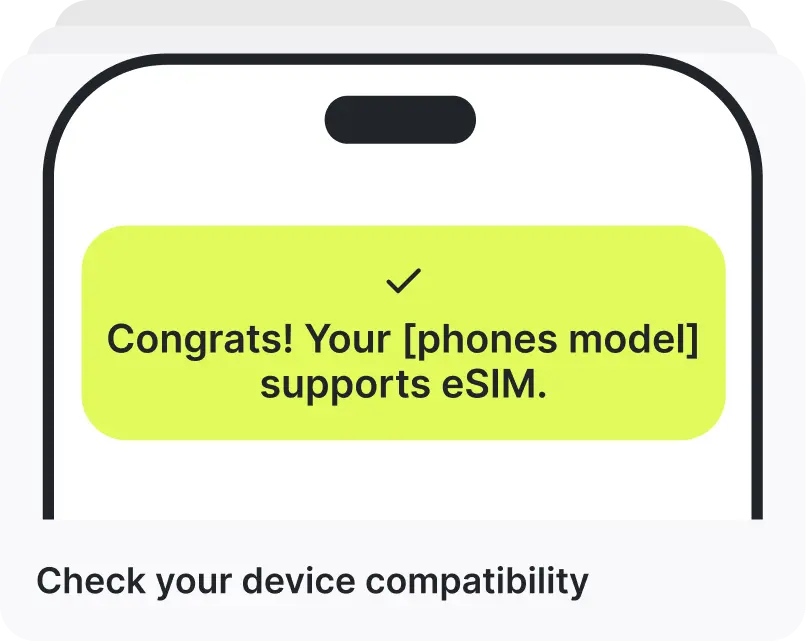
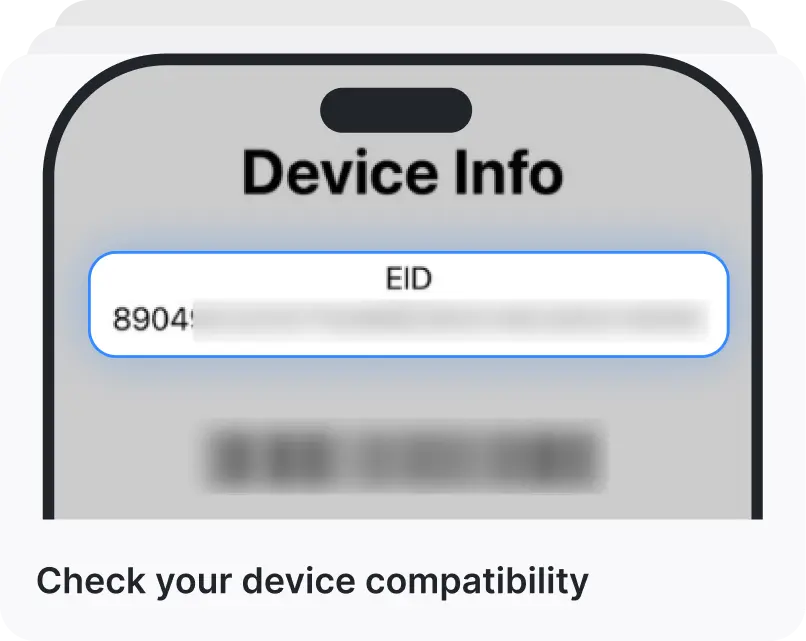
2. Choose the destination country and select a plan (by GB amount and days of your trip). After the purchase, you will receive a QR code or see an active ‘Install eSIM’ button.
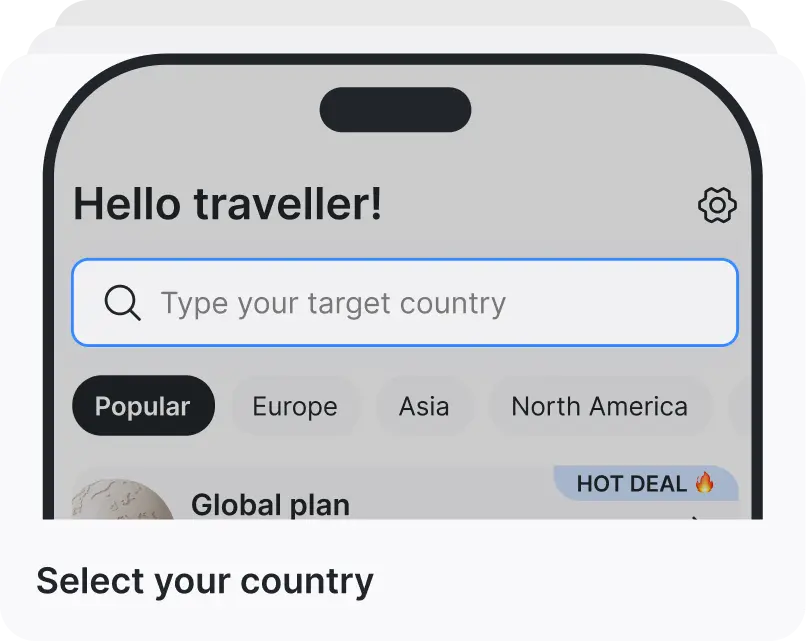
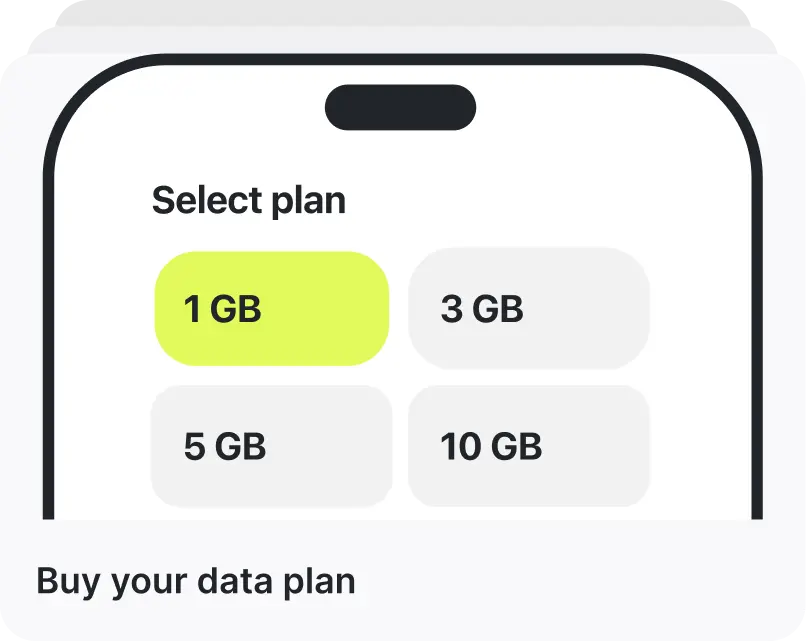
3. Use 1-click in-app installation for Android 10+ and iOS 17.4 or later devices, or scan the QR code or do manual installation on older versions.
4. Follow the on-screen instructions and activbate a travel eSIM as your data plan in the destination country.
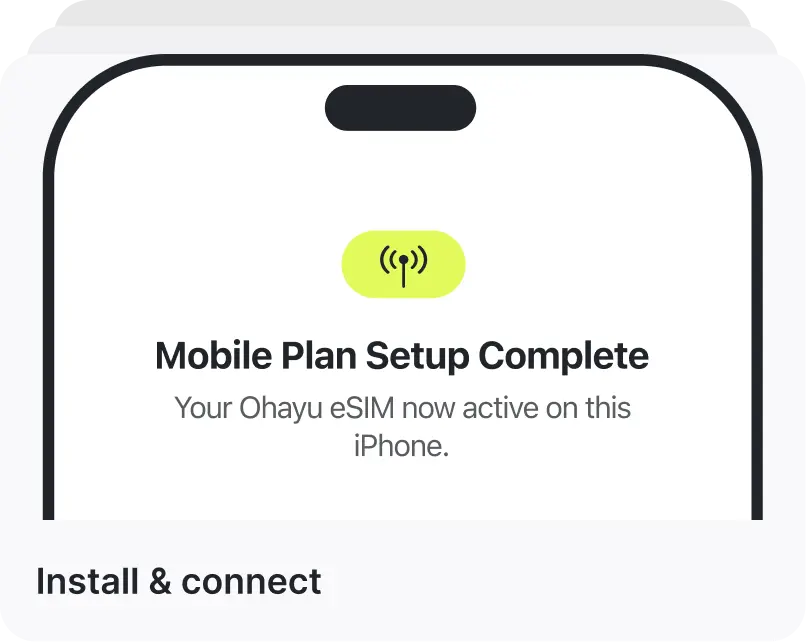
You can purchase a plan in advance and install it later. The Ohayu plan’s validity starts only once activated.
Benefits of using an eSIM
- Convenience and flexibility. Easy switching between carriers and plans provides greater flexibility and control over the mobile experience.
- No need for physical manipulations. Eliminates physical SIM card swapping and reduces the risk of loss or theft.
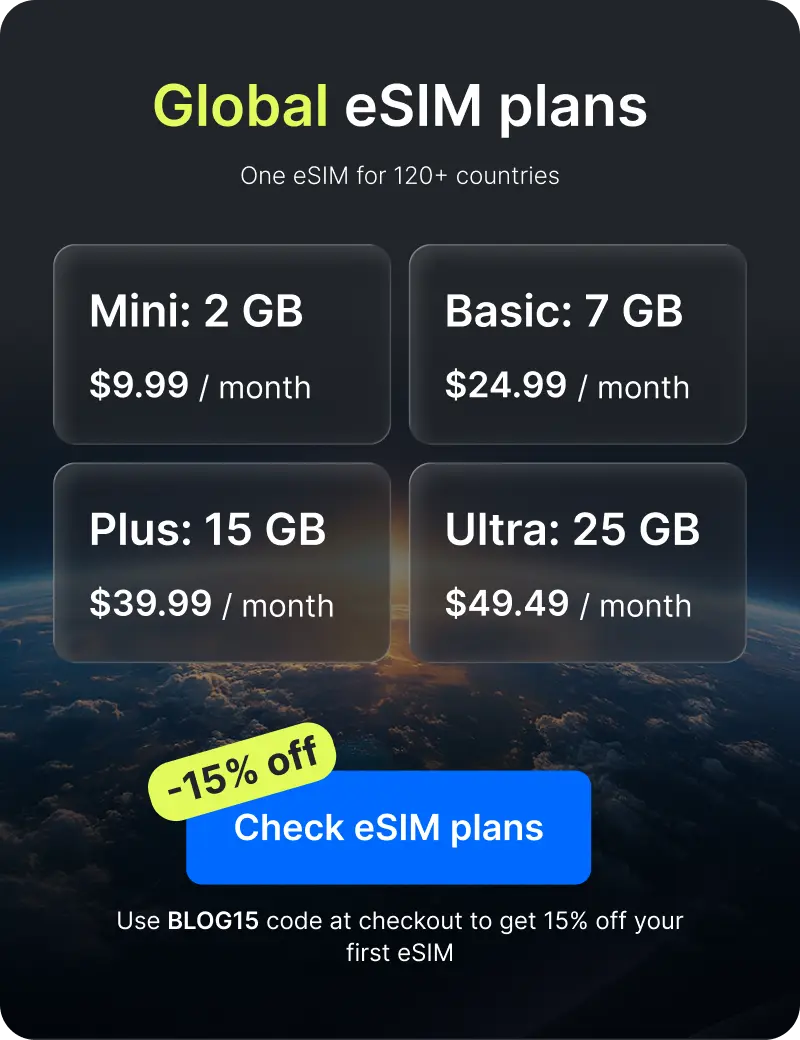
- Travel-friendly. Many providers have eSIM packages for 170+ countries and regions and sell separate country packages or worldwide eSIM plans that automatically switch supported networks when you cross borders (Ohayu).
- Environmentally friendly. Reduces plastic waste and carbon emissions associated with the production, transportation, and disposal of traditional cards.
Current state of eSIM adoption
These chips are found in smartphones, tablets, and even some laptops. Apple’s been a big fan. Starting with the iPhone XR and XS, they’ve pushed this technology hard. The same also goes for Google’s Pixel phones (starting with 2018’s Google Pixel 3).
Compatibility varies by device. Check your settings or refer to your device’s manual.
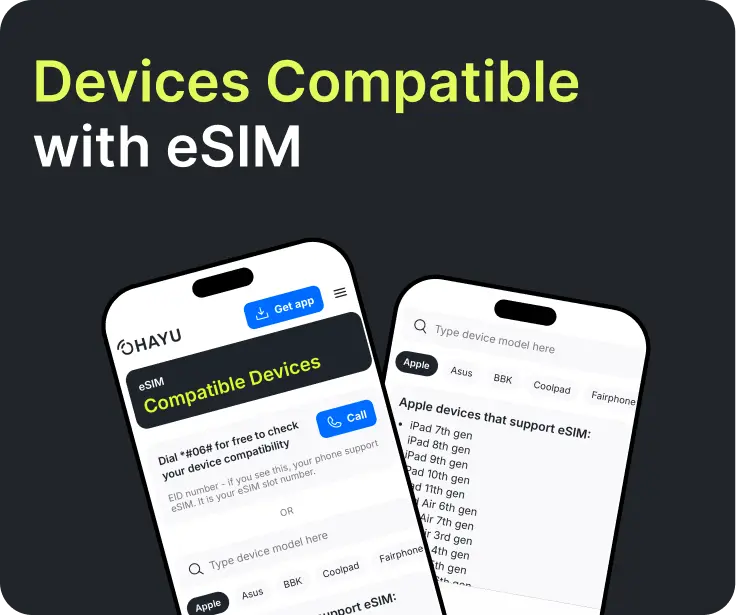
Here is the list of brands of eSIM-compatible devices:
- Apple
- Samsung
- Google Pixel
- Xiaomi
- Motorola
- Sharp
- Sony
- Dell
- HP
- Lenovo
- Microsoft
- Acer
- DOOGEE
- Fairphone
- Gemini
- HAMMER
- Honor
- Huawei
- myPhone
- Nokia
- Nuu
- OnePlus
- Oppo
- Rakuten
- Vivo
But it’s not just phones or tablets. Think about your smartwatch or even your car. Cars are getting in on this, too. For example, Tesla uses eSIM chips (eUICC) managed by a telecom partner to keep the car connected (it partners with Telefonica, it’s often Movistar, AT&T, or Vodafone, depending on the region). Not to mention portable routers/hotspots, EPOS systems, and IoT (Internet of Things) products.
Key players and their roles
There are 3 major groups of companies that make eSIM technology available to end-users. Those are gadget producers, tech providers, and local network operators assisted by travel eSIM distributors.
- First, it’s device makers. Apple, Samsung, Google, and others. They’re the ones putting eSIM-powered chips into their gadgets.
- Then there are network operators making sure your connection actually works: Verizon, AT&T, T-Mobile, etc. Considering that operators can be more focused on local customers, there are also international travel eSIM providers like Ohayu, Saily, Airalo, Holafly, that use roaming agreements with local network carriers to provide eSIM service worldwide.
- And let’s not forget tech providers. Behind the scenes are companies like Gemalto (Thales Group) and G+D, making GSMA-compliant eSIMs.
User experiences
So what is the point of using eSIM-based plans for real users? Two major advantages are convenience and cost. With eSIMs, users can quickly activate mobile plans, switch between local carriers, and adjust data plans to their needs (e.g., buy a few GB for the trip, which is usually impossible with contract home operator plans).
Here are customer reviews of the Ohayu travel eSIM on TrustPilot.
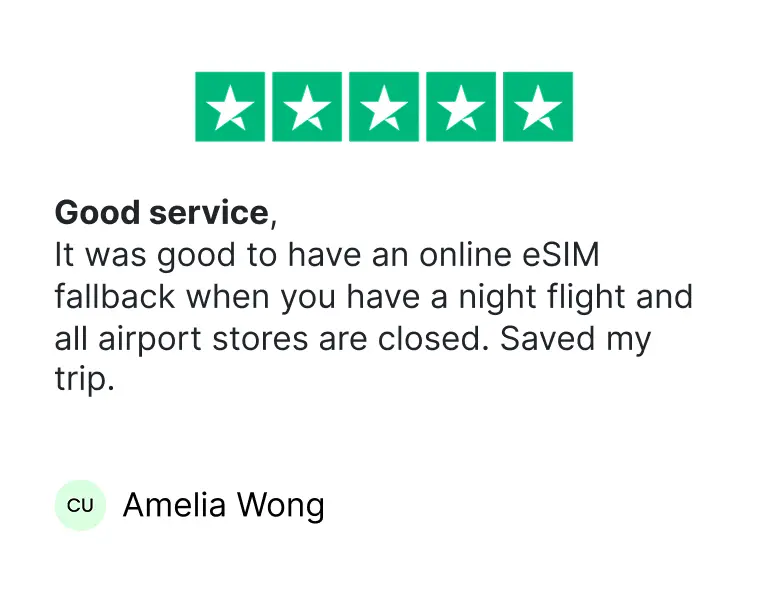
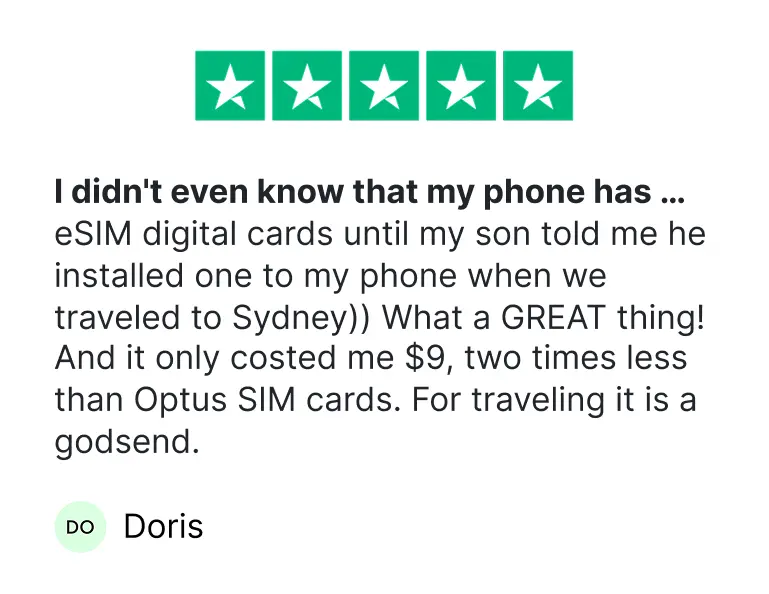
People on TrustPilot, Reddit, and Quora often say that it’s easy to handle eSIM installation. They also call it an affordable way to stay in touch with family and friends while abroad.
Challenges and solutions
Of course, every new tech has its challenges, like device compatibility, QR code installation process, and sometimes patchy network switching.
Compatibility
The challenge: Since not all devices are eSIM-equipped, not all operators are ready to handle them. Yet.
The upside: More and more manufacturers are cooperating with carriers to get on the same page. In some markets, you won’t even find newly released phones (e.g., Apple) with a physical slot anymore.
But better look at the numbers. The global eSIM market value has been steadily increasing from 2019 to 2024. It was valued at about $12.8 billion in 2026 and is projected to grow to $15.4 billion by 2030. About 75% of smartphones will support eSIM by 2030.
Awareness
The challenge: Many people don’t even know what an eSIM is. And if they do, they might not see the point and wonder why switch from a traditional method when it’s been working ok.
The upside: The word is getting out more. Carriers and manufacturers are doing a better job of explaining how digital options are helpful. Like, no more fumbling with tiny physical cards. Or being able to switch carriers without waiting for a new card.
According to the GSMA Intelligence Report, back in 2022, 50% of consumers were interested in using eSIM. In just 2 years, GSMA 2024 reported that the number increased to 63% among 5G users.
Installation
The challenge: Scanning QR codes is not yet intuitive for everyone.
The upside: Providers offer detailed tutorials that show people how it works and how to install an eSIM. From guides describing activation via QR to instructions on how to activate a plan manually, there are explanations.
Switching carriers
The challenge: The new technology makes it easier for customers to switch networks, which isn’t exactly great for business. So, local providers are not always in a rush to promote them.
The upside: However, some operators use eSIMs as a selling point. Like, “Hey, we make switching easy, but our service is so good you won’t want to.” Better deals and services, and a reason to stay, that’s what they offer.
What is an eSIM’s future?
eSIM is not just about connection; it’s about changing the telecom industry.
According to the regional VP at Ericsson, Sebastian Barros, there are around 9 billion connected devices on the planet and a huge base of legacy ones, so traditional SIM options are going to stick around for a while. Before 2030, the embedded and physical SIM shipments may even out, and at that time the ecosystem might become balanced, serving both new and old technologies.
Check out the full podcast with him:
FAQ
eSIM is an embedded subscriber identity module built directly into a device during manufacturing. To put it simply, it’s a tiny chip enabling your smartphone to connect to the network. It’s suitable for traveling as it provides internet access worldwide for prices lower than roaming fees.
Almost all network providers can connect phones with eSIM. However, not all of them have data-only plans for travelers. However, there are alternative services – international eSIM providers like Ohayu, Yesim, Nomad, that have roaming agreements with local providers and can connect travelers to their networks using eSIM.
Yes, you can purchase and activate a plan remotely (online) without visiting a store.
Yes, you can use both simultaneously if your gadget supports dual SIM functionality. Check its specifications to ensure it supports this feature.
Ensure you are connected to Wi-Fi. Then, navigate to ‘Settings’ and select ‘Cellular’ or ‘Mobile Network/Service/Data’, choose ‘Add cellular plan’, and scan the QR code you received. After that, follow the on-screen instructions to complete the setup.
Many countries and operators now support this technology, so it’s likely you can find this service available in your area. Check your settings under “Cellular” or “Mobile Network/Service/Data” to see if you have the “Add mobile plan” option. Please note that some smartphones from Asian countries may not support this feature.
No, you can keep using communication services (for instance, WhatsApp/Telegram) with the same number. What is an eSIM in this case? It is an additional option that provides affordable internet access while abroad.
It is particularly popular among travelers and frequent network swappers. It connects to supported networks and makes mobile internet more stable and affordable for users because eSIM data packages are cheaper than home providers’ roaming fees.
SIM stands for Subscriber Identity Module. It is a traditional, physical card that stores information that authenticates the user to the mobile network. It’s tangible and removable.
eSIM stands for embedded SIM. It’s built into the hardware and cannot be removed.
Summing it up
eSIM is evolving the mobile industry. Challenges are still there, especially in people’s awareness and market adoption. But the potential is huge. In a few years, we may wonder how we ever lived with removable plastic SIM cards. Once you’ve leaped, you can’t turn back.