

Working from anywhere and being a world traveler is a dream for many people. But that dream can fade quickly without a smart digital nomad budget – a plan that balances traveling lifestyle with financial reality.
The truth is, the cost of living varies enormously depending on where you go. According to Numbeo’s data, Zurich, Switzerland, ranks as one of the most expensive cities in the world with a Cost of Living Index of 112.5, while Coimbatore, India, sits near the bottom at 17.1. In U.S. dollars, that means daily life in Zurich can cost five to ten times more than in some of the world’s most affordable destinations.
To stay financially comfortable, digital nomads should plan their budgets around key categories: accommodation, food, workspace, connectivity, transport, emergency funds, and entertainment. In 2026, the average monthly digital nomad budget ranges between $1,200 and $2,500, depending on lifestyle and location.
In this guide, I’ll help you define your own estimate for income and spending, and bring in some tips on how to rent smarter, get around for less, and manage essentials like Wi-Fi and travel eSIMs by Ohayu while living abroad.
Understanding digital nomad expenses
Being both a traveler and a remote worker translates into different expenses that change every month and from country to country. Your digital nomad budget should cover the basic needs and have room for flexibility in case of price fluctuation or travel plans change.
Below is a sample breakdown for a monthly budget of $2,000. It includes accommodation, food, workspace, transportation, connectivity, and all other essentials on which most remote professionals rely.
| Category | Estimated Cost (USD) | % of Total Budget |
| Accommodation | $600 | 30% |
| Food and Dining | $300 | 15% |
| Coworking / Workspace | $150 | 7.5% |
| Transportation | $200 | 10% |
| Connectivity (eSIM, Wi-Fi, etc.) | $50 | 2.5% |
| Health Insurance | $100 | 5% |
| Entertainment | $150 | 7.5% |
| Software & Tools | $50 | 2.5% |
| Miscellaneous | $200 | 10% |
| Emergency Fund | $200 | 10% |
| Total | $2,000 | 100% |
The table is a sample of $2000/month budget distribution for a mid-range lifestyle in cities with a 30-40 cost of living index, like Bali, Indonesia (33.5), Tbilisi, Georgia (33.8), or Antalya, Turkey ( 37.7), based on Numbeo data, 2025.
You can use this table as a reference and adjust it to your income, needs, and location. Here are some regional notes based on my travel experience.
- Southeast Asia (Thailand, Vietnam, Indonesia) is budget-friendly for digital nomads. You can comfortably live on $800-$1500/month, depending on lifestyle and the city. Accommodation, food, and coworking spaces are generally affordable.
- Southern Europe, Eastern Europe & Latin America (Portugal, Spain, Bulgaria, Romania, Mexico, Colombia) have mid-range costs. Expect to spend $1200-$2000/month. They are safe, popular, and have reliable infrastructure for remote workers.
- Western Europe, North America, Australia, and Japan are high-cost locations. Budgets start at $2500-$3500/month and can go higher. Short-term stays, slower travel, or local deals can help you keep your expenses moderate.
- The Middle East & Africa are highly variable in price. E.g., Morocco and Egypt remain affordable, but the UAE and Israel are among the most expensive in this region. Research city-specific info before setting your budget.
Now, let’s break down each of the spending categories to see where you can save time and money.
Accommodation
Rent is where your biggest bill comes from. Short-term rentals are still the most popular option. On platforms like Airbnb or Booking.com, you can use flexible dates, choose a nearby location, and get listings that fit your requirements and the number/type of guests (there are also a lot of options for travelers with children and pets).
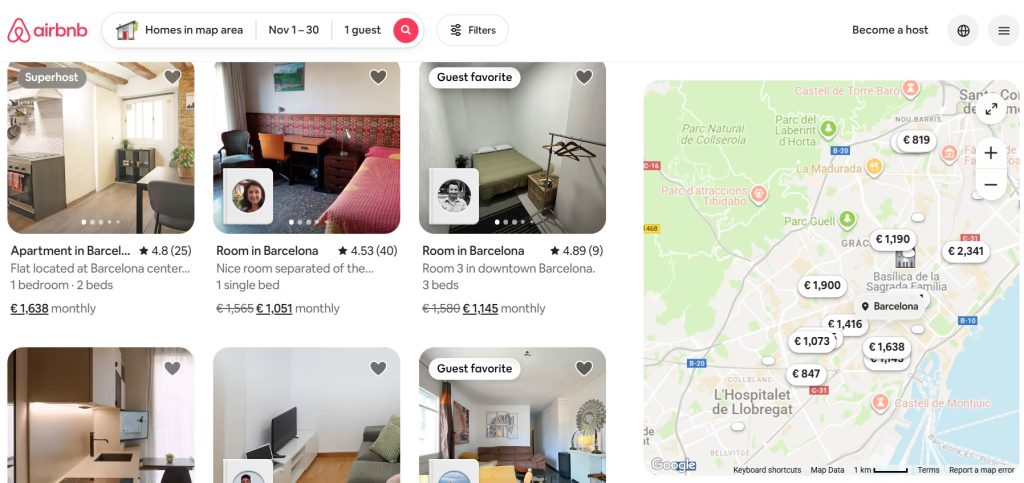
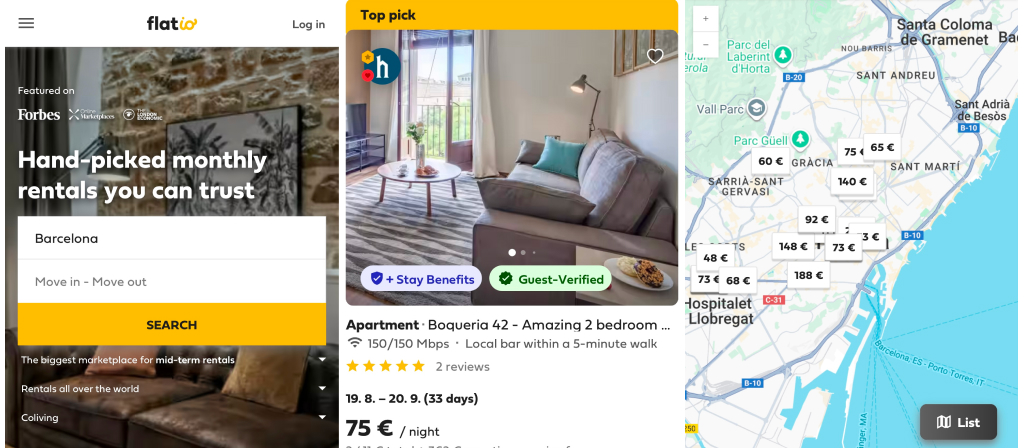
If you plan a long-term visit (several weeks), look for deals. Airbnb and the like have long-term rent discounts. Also, there are platforms like Flatio that focus on digital nomads, provide discounts for long bookings, and offer a verified internet speed filter in their listings.
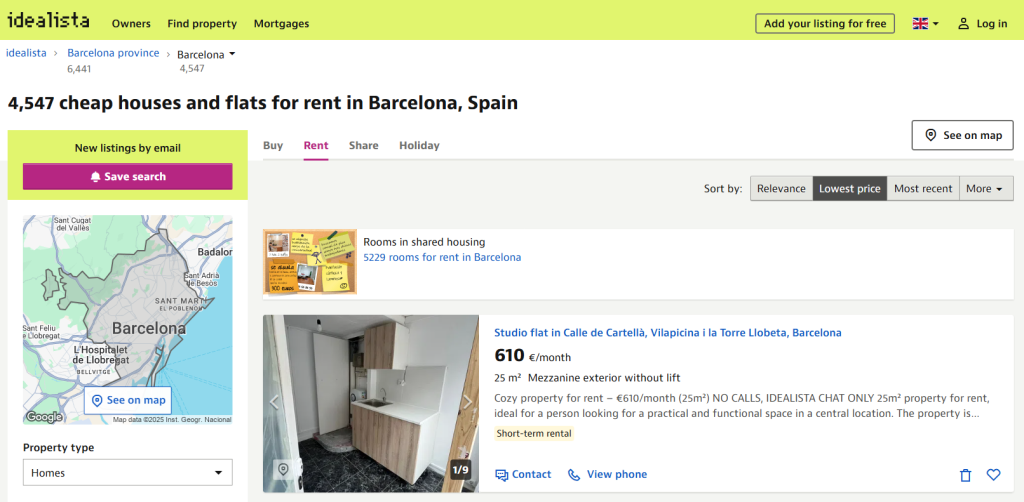
Another good way to save is by checking local property rental sites that usually offer lower rates and deals for monthly rentals (e.g., my favorite site for Spain is Idealista).
If you’re looking to save, there are plenty of alternatives. Most hosts provide discounts when you rent the place for a month or more. Hostels and co-living spaces are also budget-friendly and help you find other like-minded travelers. You can also explore co-living (sharing a place with other people) and house-sitting (staying in a place for free when you watch over a place or pets) are other alternatives. If you are great with pets and have a very tight budget, check TrustedHousesitters and Nomador.
Before booking, always check what’s included in the rate. Some listings charge extra for utilities, cleaning, or Wi-Fi, and these small costs can quickly add up.
Food and dining
Food expenses can quickly eat your digital nomad budget, especially if you dine out several times a day. The easiest way to save is to cook at home. Go to local markets. Fresh produce is at a lower price than in supermarkets.
Street food is also a budget-friendly option, particularly in Asia or Latin America. Though it’s not for everyone due to the very versatile hygiene standards. I usually look at Google reviews first. Safe places operate for years and have 100+ reviews with a rating above 4.3. When at a place, it is better to go for stalls with long queues and visible hand-washing stations, that’s a good sign food is safe and freshly made.
If you are a coffee drinker, it can also add up fast. Several dollars a day for takeaway coffee can make $60-100 a month. You can save it by brewing your own coffee at home or carrying a reusable thermos. It saves money and cuts waste.
The video below has a few more unobvious tips on grocery shopping, like carrying a reusable bottle, cutlery, and a lunchbox when traveling. Worth watching, because these small habits make a big difference.
Connection: Wi-Fi or eSIM
Staying connected is essential, especially if you work remotely and need internet wherever you go. It is essential to look for places with reliable Wi-Fi access. Using the apartment’s or public Wi-Fi can save you time and costs. One more tool that is still used by travelers is a pocket Wi-Fi router. It can help you stay connected if you often move between cities. However, now pocket Wi-Fi is becoming less used due to the growing popularity of eSIMs.
An eSIM (embedded SIM card) is a new standard of mobile connectivity and a convenient option for digital nomads. eSIMs are already built into compatible modern devices and can store several profiles (all major 2020+ smartphones by Apple, Samsung, Google Pixel, Motorola, Xiaomi). E.g., you can keep your home profile with your phone number, and one or several additional digital profiles that allow you to connect to the local networks in your travel destination. They can operate at the same time, which makes your smartphone an all-in-one connection device. If you have a laptop, tablet, or other device, you can use Wi-Fi sharing and turn your main device into a hotspot.
Considering that budget is key, we recommend you buy an eSIM depending on the number of countries you are planning to visit and the length of your stay.
If you plan to stay in one country for a short period of time, choose a country plan by Ohayu. It can connect you to the local operator with the best possible internet speed.
If you cross the borders several times a month, or just don’t want to change settings and reinstall eSIM for every new country that you visit, choose a Global eSIM plan. It can connect you to 200+ mobile operators in more than 120 countries. Global eSIM can automatically switch carriers when you cross borders, so you don’t need to install a new eSIM or update the settings.
If you don’t have an eSIM-compatible phone, local SIM cards can still be an option in some destinations, but they come with language barriers, local ID requirements, or slower setup. That’s why many remote workers rely on eSIMs for convenience and use Wi-Fi strategically to save mobile data.
Transportation
Getting around is one of the highest recurring costs in a digital nomad budget. Flights often are a major expense, but flexibility can pay off. Look for budget airlines, hunt for seasonal flight deals, and try to travel midweek – fares tend to drop between Tuesday and Thursday.
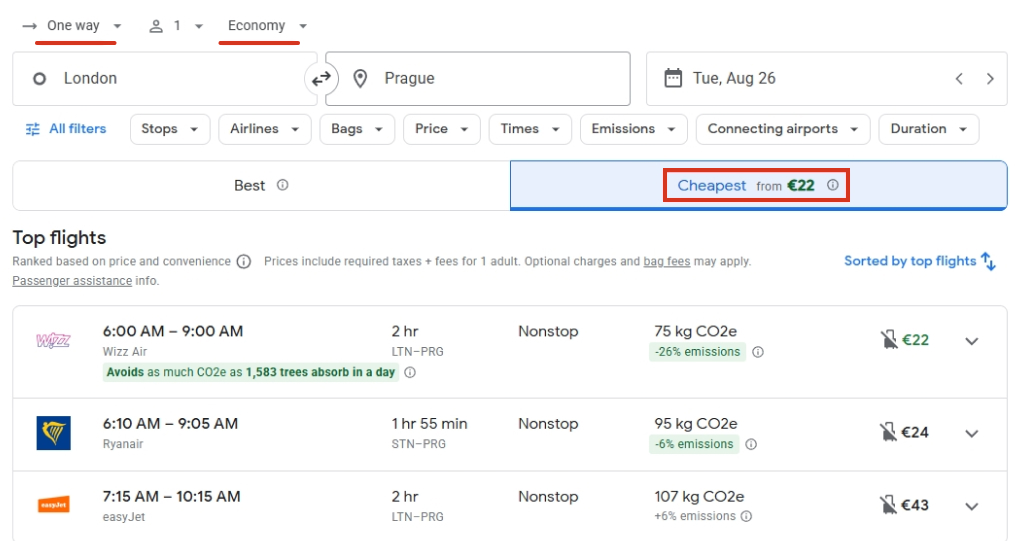
I track everything with Google Flights. It highlights the most affordable departure dates in green and allows you to sort the results by price to find the cheapest flights. E.g., this saved me twice on my last trip to Prague (€22 instead of €43), so I can vouch for it.
Don’t forget about visa costs and entry fees. Some countries require e-visas or tourist taxes. Factor these in before you go. If you’re applying for a digital nomad visa, check the current process and costs before you travel – Japan and Spain, for example, now have different document requirements and income thresholds.
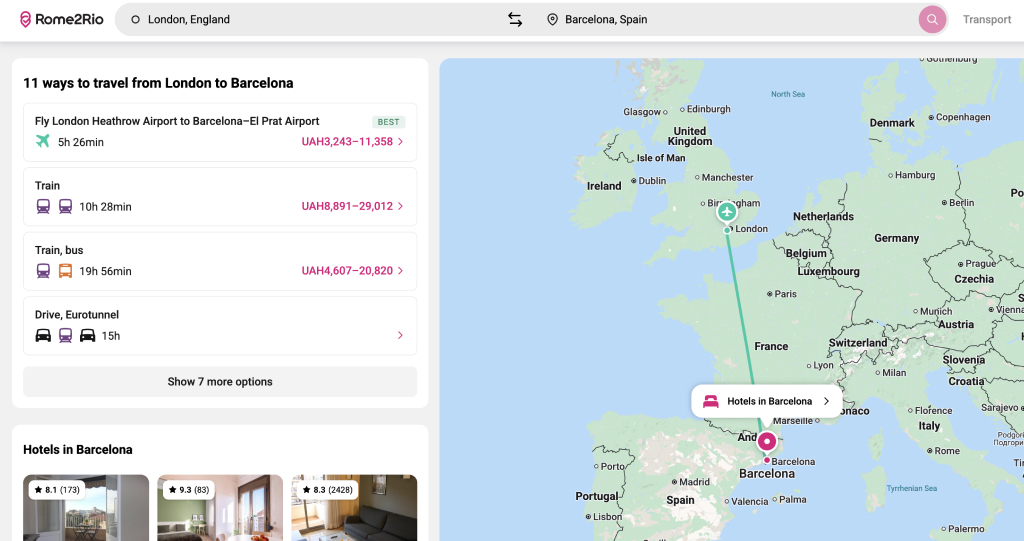
Once you arrive, use local public transport. Buses, metro systems, and trains are usually the most reliable and least expensive. Use apps like EasyWay (for Eastern Europe, the Balkans, and the Middle East) to search for routes within and between cities. For longer cross-country journeys, Rome2Rio is an excellent tool – it shows the fastest and cheapest ways to get from A to B by buses, trains, flights, and ferries.
Ride-hailing apps such as Uber and Lyft also operate in many countries. When I’m not sure which one works locally, I check the App Store and Google Play top charts at the target location to find out which app is widely used in the country. It’s a small research step that saves time and money.
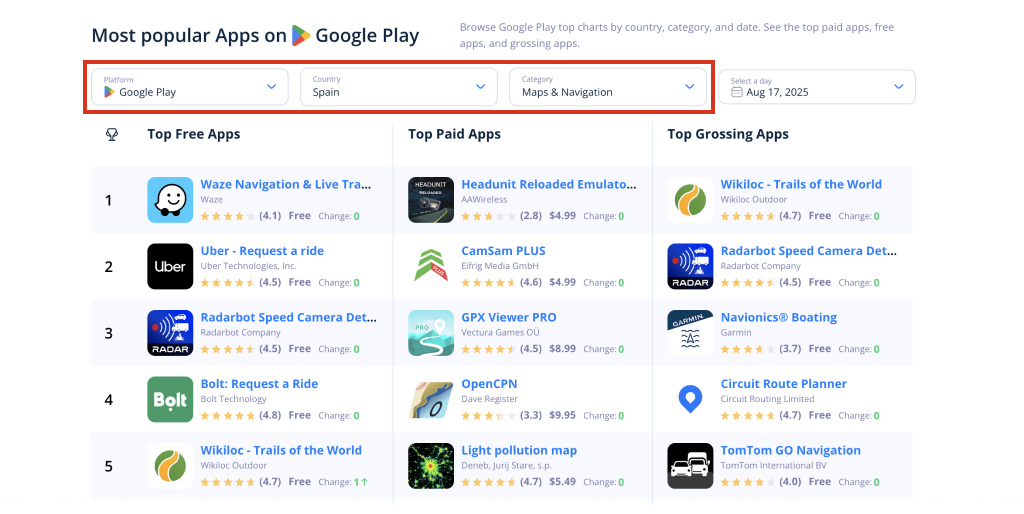
For more practical tools, see our regularly updated guide: Must-Have digital nomad apps.
Health and insurance
Travel insurance for digital nomads is different from regular vacation insurance. Traditional travel insurance works for short trips, like a two-week holiday, and might not cover long visits or remote work. As a remote worker, you need a flexible plan that protects you while living abroad for months.
Your digital nomad budget needs to account for the following.
- Medical emergencies – hospitalization, doctor visits, and emergency operations if you get sick or injured.
- Lost or stolen belongings – help if your laptop, phone, or other gear gets lost, stolen, or damaged.
- Travel disruptions – for situations when a flight is delayed/canceled or a trip is cut short.
- Repatriation – covers returning to your home country in case of a medical emergency.
Two providers that have travel insurance for remote workers and teams covering the features I mentioned are WorldNomads and SafetyWing (from $45 per month).
Before any trip, make sure your vaccinations are up to date, schedule a health check, and pack your regular prescriptions. These small preparations can save you a lot of stress and unexpected costs down the road.
Work-related spendings
A comfortable workspace is a must when you live and work on the move. If your apartment isn’t comfortable, coworking spaces offer good internet, ergonomic setups suitable for long hours of focus, and a sense of community.
Platforms like Coworker and Coworkbooking can help you choose a suitable space nearby. Prices usually start from €100 per month, depending on the country and location.
Cafes and coffee shops are also an option. But remember the unwritten rule: always buy something if you plan to stay for a while. A coffee or snack every few hours goes a long way in keeping you welcome.
Additionally, your laptop and camera are essential for your work. Remember to save a small budget for equipment maintenance and repairs. These are legitimate business expenses and part of every well-planned digital nomad budget.
Related post: Digital nomad packing list.
Personal expenses & leisure
Life on the road isn’t only about work – it’s also about enjoying the places you visit and exploring the world. Your financial plan should include expenses for personal experiences and small indulgences.
- Activities and tours, weekend getaways.
- Entertainment (movies, concerts, festivals, nights out with friends)
- Shopping (clothes, souvenirs, or local crafts).
- Fitness and self-care (gym memberships, yoga classes, haircuts, or wellness treatments).
Plan a budget for these fun things before your trip. In particular, find out how much is the entrance costs. For festivals or national parks, it can range from $10 to $100, depending on the event and country. Gym memberships typically cost $20-$50 per month in affordable destinations, and up to $100-$150 in major cities like London or Sydney.
A little research helps: check local Facebook groups, event websites, or apps like Meetup to find free or low-cost community events. Often, these turn out to be even more memorable than paid tours.
How the cost of living differs by country
Where you stay – whether in Western Africa or Northern Europe – makes a huge difference. Your money stretches very differently depending on the region.
Some places are expensive. Western European cities (e.g., Basel or Paris) will drain your funds fast. Rent and groceries here can double what you’d spend elsewhere. On the other hand, Southeast Asia is much cheaper. For example, in Thailand or Vietnam, your daily expenses will be a fraction of European prices.
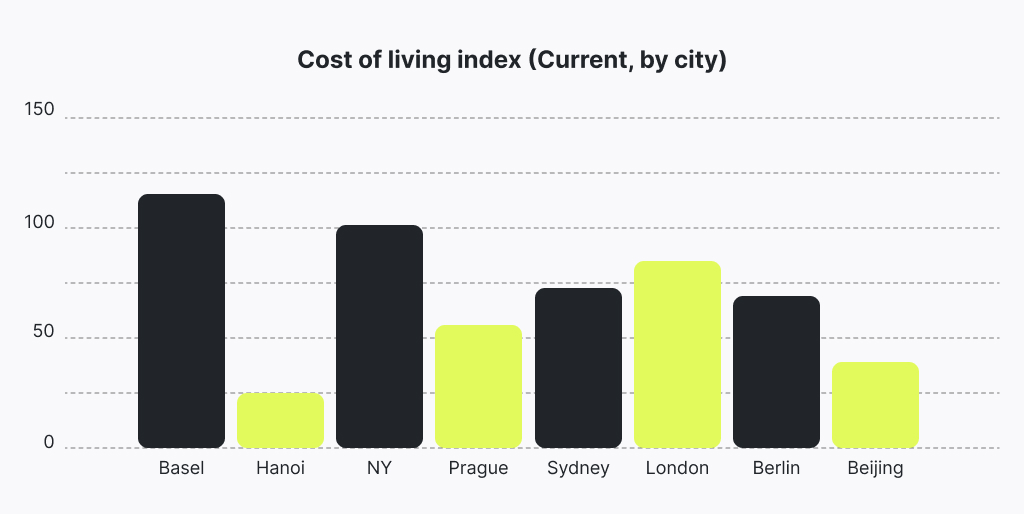
To check the cost of living before your trip or at least get a general idea of how expensive the region is, use online tools like Numbeo.com. E.g., Basel, Switzerland, has a Cost of Living Plus Rent Index of 93.2, while Hanoi, Vietnam, is around 24.5. That means living comfortably in Basel could cost four times more than in Hanoi.
Local expat or travel blogs often share travel tips and local payment habits. It’s also wise to learn the currency and exchange rate in advance to avoid unpleasant surprises at ATMs or when paying rent.
Another must-know concept is geoarbitrage. It means earning money in a strong currency, such as U.S. dollars or euros, and spending money in a country with a weaker currency. This makes your savings grow faster, and you can live better for less money.
Tools and resources
There are tools to help you keep track of your digital nomad budget. Budgeting apps like Mint and YNAB, and TravelSpend help you track every dollar of expenses, set saving goals, sync multiple bank accounts, and even convert to different currencies.
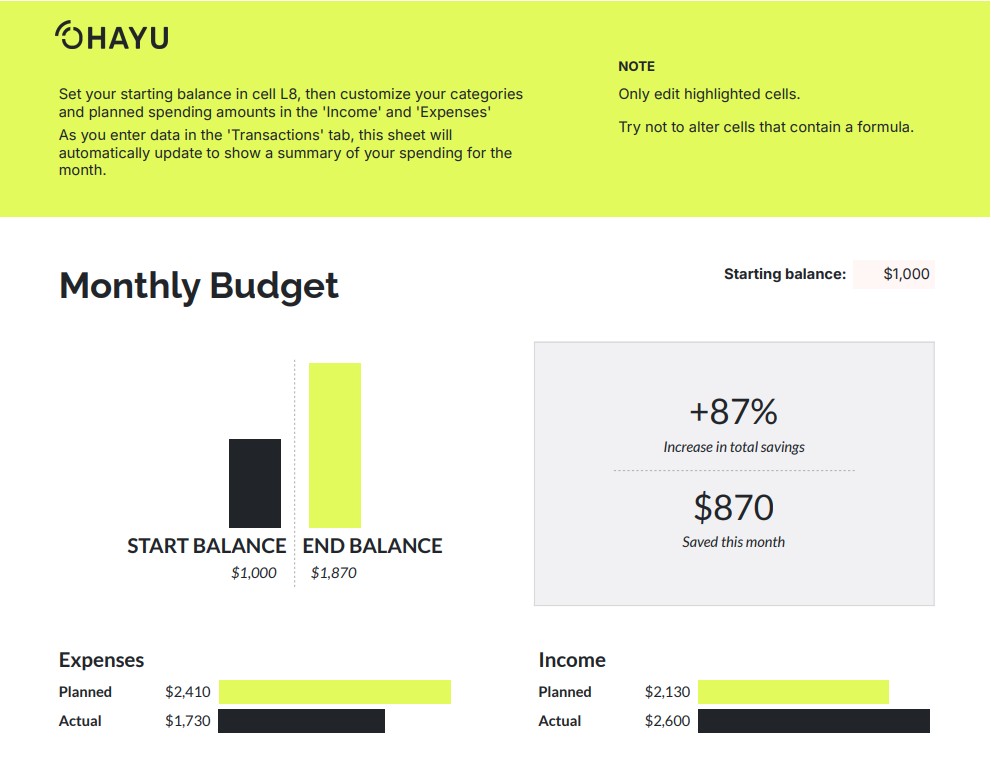
If you prefer something more manual, go old-school with Google Sheets. There are free templates for planning and tracking expenses. You can create a calendar, planner, to-do list, or expense report and have a clear view of your monthly income and spending. It is simple but effective.
Here’s a sample template we’ve created. To use it, click the “Get a copy” button to open the Google Spreadsheet, then go to File → Make a Copy in the top-left corner. Once it’s saved to your Drive, enter your own income and expenses in the “Transactions” tab, and you’ll instantly see your personalized monthly budget summary.
Finally, check out online communities. Platforms like Digital Nomad World, Reddit’s r/digitalnomad, and Facebook nomad groups allow you to connect with other nomadic travelers and share ideas. You can ask questions and pick up smart saving tips from folks who are already living in your next destination. Real travelers often share local prices, SIM card deals, and affordable coworking tips that no app will tell you.
Smart saving tips for your digital nomad budget
Let’s sum it up with a few habits to save your travel budget.
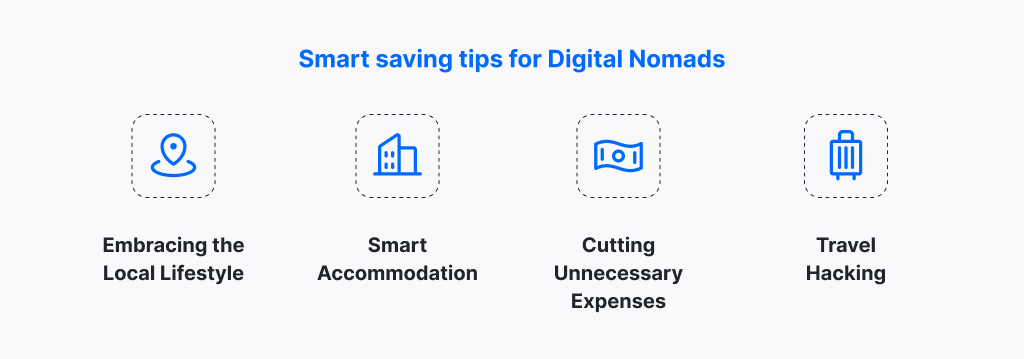
- Embrace local living. Live as the locals do. Eat at small neighborhood cafes. Use public transport – buses or trains. This is usually much cheaper than taxis and helps you avoid expensive tourist traps. In fact, it’s not just a cheap way of transportation, but also a window into daily life.
- Make smart accommodation choices. Your housing is a big expense. Always try to negotiate longer stay rates. Many places give discounts if you rent for a month or more. Look into house-sitting – you care for a home, sometimes pets, in exchange for free rent. Hostels are also a solid choice. They are budget-friendly and great for meeting people.
- Cut unnecessary spending. Look at your monthly subscriptions. Do you use all of them? Cancel the ones you rarely use. Also, shop mindfully and buy only what you truly need. Don’t waste money on local SIM cards and opt for eSIM data plans instead.
- Try travel hacking. Use loyalty programs like airline miles or hotel points. Credit card points can also earn you free flights or stays. Rewards are a hidden treasure that can cover some travel costs.
Financial freedom is what turns the nomadic dream into a lifestyle, one where you can keep exploring without worrying about what’s in your wallet. Start planning your digital nomad budget today, stay connected wherever you go, and travel smart.
Safe travels – and may your next adventure be as rewarding as it is affordable.